Growing an audience on social media takes time and consistent effort. Many creators post regularly but still struggle to attract new followers. In most cases, the problem is not the platform itself. It is the content strategy.
Small mistakes repeated over time can reduce reach, engagement, and audience trust. By finding these problems early and correcting them, you can improve your content performance and grow social media followers at a steady pace.
Below are some of the most common mistakes and the ways to fix them.
Common Content Mistakes Slow Down Your Ability to Grow Social Media Followers
Posting Without a Clear Purpose
Many creators upload content simply because they want to stay active. While regular posting is important, every post should have a reason.
Some posts should educate. Others can entertain, inspire, or solve a problem. If your content does not provide value, viewers may scroll past it without interacting.
Before creating a post, ask yourself what the audience will gain from it. Build your content around one clear idea instead of covering several topics in a single post.
Ignoring the First Few Seconds
People decide very quickly whether they want to continue watching a video or reading a post. A slow introduction often causes viewers to leave before reaching the main point.
This reduces watch time and limits the chances of your content reaching more people.
Start with a direct statement, an interesting fact, or a common problem. Present the main topic immediately so viewers know what they will learn.
Posting Inconsistently
Many accounts publish several posts in one week and then stop posting for long periods. This makes it difficult for followers to stay connected with your content.
Regular activity helps people remember your page and gives social media platforms more opportunities to recommend your content.
Create a posting schedule that you can comfortably follow. It is better to post consistently than to upload many posts at once and disappear afterward.
Focusing Only on Promotion
Constantly promoting products or services can reduce audience interest. People usually follow accounts that provide useful or enjoyable content.
If every post asks viewers to buy something, many users may stop engaging with your page.
Share helpful information, practical tips, or interesting stories between promotional posts. This creates a better balance and keeps followers interested.
Poor Content Quality
Low quality images, unclear audio, or difficult to read text can reduce audience engagement. Even valuable information may be ignored if the presentation is difficult to follow.
Use clear visuals, readable text, and clean audio. Review your content before publishing to check whether everything is easy to understand.
Ignoring Audience Feedback
Comments, messages, and reactions provide valuable information about what people enjoy. Ignoring these signals can slow your content growth.
Followers appreciate creators who respond and participate in discussions.
Read comments regularly and reply whenever possible. Pay attention to repeated questions because they can provide ideas for future content.
Using Too Many Different Topics
Switching between unrelated subjects can confuse your audience. People usually follow pages that regularly discuss a particular subject.
If your content changes direction frequently, followers may lose interest.
Choose a primary topic and continue creating content around it. You can introduce related subjects while keeping your main focus clear.
Forgetting to Study Content Performance
Some creators continue repeating the same content without checking whether it performs well. This makes improvement difficult.
Most social media platforms provide information about views, watch time, reach, and engagement.
Review your content statistics regularly. Find the posts that performed well and identify the reasons behind their success. Apply those ideas to future content.
Depending Only on Growth Tools
Some creators rely entirely on growth tools without improving their content. While platforms such as sub4unlock may help increase visibility under certain strategies, they cannot replace valuable content that people genuinely want to watch and share.
Use growth tools as a supporting method instead of your primary strategy. Continue improving your content quality, posting schedule, and audience engagement.
Skipping a Clear Call to Action
Many creators finish their posts without telling viewers what to do next. As a result, people may leave without liking, commenting, or following the page.
Simple instructions can increase engagement and encourage more interaction.
End each post with one clear action. Ask viewers to follow your page, leave a comment, or share the content if they found it useful.
Conclusion
Growing a social media audience rarely happens because of one successful post. It usually comes from improving small parts of your content over time. By avoiding these common mistakes, you give your content a better chance of reaching more people and keeping them engaged. Review your content regularly, make improvements where needed, and stay consistent. These simple habits can help you grow social media followers steadily while building a stronger connection with your audience.
Businesses deal with a large number of documents every day. From approving invoices to signing employee records, many tasks require repeated signatures. Signing each document manually takes time, especially when the volume keeps increasing.
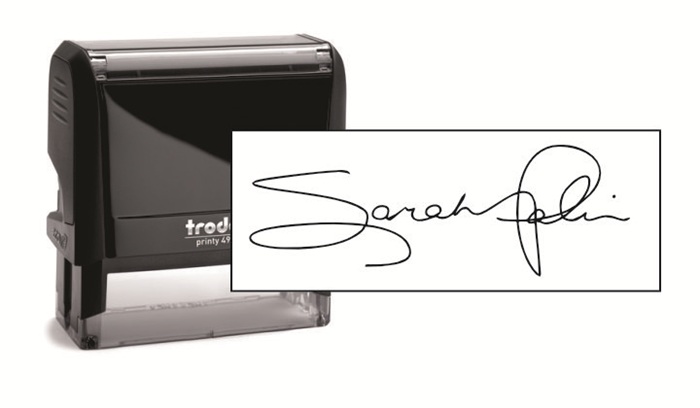
A signature stamp helps reduce this repetitive work. It allows authorized personnel to sign documents quickly while maintaining consistency. Many businesses use signature stamps for internal paperwork, routine approvals, and administrative tasks.
However, signature stamps should always be used according to company policies and applicable regulations. Understanding where they are most useful helps businesses improve their daily operations without affecting document accuracy.
What Business Functions Benefit the Most from Signature Stamps?
Administrative Operations
Administrative departments process many forms every day. Employee requests, office memos, purchase approvals, attendance records, and internal communications often require management approval.
Using a signature stamp for these routine documents helps reduce delays. Instead of signing every document by hand, managers can complete approvals much faster.
This also helps office staff move documents through different departments without unnecessary waiting.
Accounts and Finance
The finance department handles invoices, payment approvals, expense reports, vendor documents, and financial records on a regular basis.
Many of these documents require repeated signatures before processing can continue. A signature stamp can simplify this process for approved documents that follow company procedures.
Some businesses also ask whether a Signature Stamp Legal For Checks can be used during payment processing. The answer depends on banking policies, company rules, and local laws. Some financial institutions accept signature stamps under certain conditions, while others may require handwritten signatures for added verification. Therefore, businesses should always confirm the requirements before using a signature stamp on checks.
Apart from checks, signature stamps are commonly used for many internal finance documents that require regular approval.
Human Resources
Human resources departments handle a large amount of paperwork throughout the year.
Employment letters, policy acknowledgments, leave approvals, payroll documents, training records, and employee files often require signatures from authorized personnel.
A signature stamp helps speed up these routine approvals while maintaining consistency across documents.
For sensitive records that require additional verification, handwritten signatures may still be preferred based on company policy.
Customer Service
Customer service teams often process service requests, confirmations, acknowledgments, and account related documents.
Many of these records require supervisor approval before they are completed.
A signature stamp allows managers to approve standard documents quickly, helping customer requests move through the process without unnecessary delays.
This can improve response time while reducing administrative work.
Sales Department
Sales teams prepare quotations, order confirmations, approval letters, and customer documents every day.
Some of these documents require management approval before reaching customers.
Using a signature stamp for approved business documents helps sales staff complete routine paperwork faster.
It also keeps signatures consistent across multiple documents.
These documents often pass through multiple approval stages before purchases are completed.
A signature stamp helps authorized managers approve routine documents without repeatedly signing every page by hand.
This saves time during daily purchasing activities.
Warehouse and Logistics
Warehouses process delivery records, inventory documents, receiving reports, and dispatch forms throughout the day.
Many of these documents require supervisor approval before products move to the next stage.
Using a signature stamp for routine paperwork helps warehouse staff process documents more efficiently.
It also reduces delays during shipping and receiving operations.
Healthcare Administration
Hospitals, clinics, and medical offices handle appointment records, billing documents, insurance paperwork, and administrative forms every day.
Authorized personnel may use signature stamps for certain administrative documents where permitted by organizational policies.
Medical records that require physician signatures or legal verification should always follow healthcare regulations.
Education and Training Institutions
Schools, colleges, and training centers manage certificates, admission documents, student records, permission letters, and administrative paperwork.
Many routine approvals can be completed using a signature stamp if institutional policies allow its use.
This helps staff complete documentation faster during busy admission periods and examination schedules.
Conclusion
Signature stamps support many business functions by reducing the time spent on repetitive signing tasks. Administrative offices, finance departments, human resources, customer service, purchasing, logistics, healthcare administration, and educational institutions can all benefit from their proper use.
Before introducing a signature stamp into daily operations, businesses should establish clear internal guidelines and verify any legal or banking requirements. When used appropriately, a signature stamp helps simplify routine paperwork while allowing employees to focus on more important business activities.
Address stamps are a simple office tool that helps you save time while sending letters, invoices, packages, and other documents. Instead of writing the same details again and again, you can stamp your address within seconds.
However, a poorly designed stamp can create problems every time you use it. Small design errors can make the text difficult to read or leave important information missing. Since address stamps are made for repeated use, it is important to think about the design before placing your order.
Let us look at the common design mistakes and learn how to avoid them.
Design Mistakes to Avoid When Ordering Address Stamps
Using a Font That Is Difficult to Read
One of the biggest mistakes is choosing a font that looks attractive but is difficult to read.
Decorative fonts may look good on a computer screen, but they may not produce clear impressions on paper. Thin letters or fancy styles can become blurry after stamping.
Choose a simple and readable font. Standard fonts with clear letter shapes make your address easy to understand. This also helps when your mail is processed or delivered.
Adding Too Much Information
Many people try to include every possible detail on their address stamps.
Adding multiple phone numbers, email addresses, websites, and extra notes can make the stamp look crowded. As a result, the text becomes smaller and harder to read.
Include only the information that is needed. In most cases, your name, company name if required, street address, city, state, postal code, and country are enough.
Choosing the Wrong Stamp Size
The size of the stamp plays an important role in how your address appears.
A very small stamp may force the text into tiny letters. A very large stamp may take up unnecessary space on envelopes and documents.
Choose a size that matches the amount of text you want to include. If your address is longer, select a slightly larger stamp instead of reducing the font size too much.
Ignoring Text Alignment
Some people enter the address without paying attention to how the lines are arranged.
Poor alignment can make the stamp look uneven. It also affects readability, especially if the address contains several lines.
Keep the text centered or left aligned based on the layout provided by the manufacturer. Maintain equal spacing between each line for a cleaner appearance.
Forgetting to Check Spelling
A spelling mistake on a stamp can become an expensive problem because every impression will contain the same error.
Replacing the stamp means spending extra money and waiting for another product.
Read every line carefully before approving the design. Check names, street numbers, postal codes, and city names more than once. If possible, ask another person to review the details.
Using Very Small Text
Trying to fit too much information often results in very small letters.
Although everything may fit inside the design, the printed impression may not be clear. This becomes even more noticeable after regular use.
Keep the font size large enough for comfortable reading. If there is too much information, remove unnecessary details instead of reducing the text size.
Ignoring Ink Color
Many buyers focus only on the stamp design and forget about the ink color.
Some colors may not be suitable for official documents. Light colors can also become difficult to read.
Black and blue are commonly used because they produce clear impressions on most types of paper. Choose another color only if it matches your intended purpose.
Not Leaving Enough Space Around the Text
If the text is placed too close to the edges, the final impression may look cramped.
Some letters may also appear incomplete if the stamp is pressed unevenly.
Leave a small margin around the address. This gives every line enough room and creates a balanced appearance.
Ordering Without Reviewing the Proof
Many people complete their order quickly without checking the final preview.
Even a small formatting issue can affect the appearance of the finished stamp.
Review the proof carefully before confirming your order. Check the spacing, alignment, spelling, and overall layout. Spending a few extra minutes here can help you avoid replacing the stamp later.
Conclusion
A well designed stamp saves time and creates a clean impression on every document. Most design problems happen because of small mistakes that are easy to overlook during ordering.
By choosing a readable font, keeping the information simple, selecting the correct size, checking every detail, and reviewing the final design before placing the order, you can avoid common problems.
Address Stamps are used repeatedly for many years, so taking a little extra time during the design stage can help you receive a product that works well every day.
Compression socks are worn by people for different reasons. Some use them during sports activities, while others wear them during work or travel. They help improve blood circulation in the legs and reduce swelling, fatigue, and discomfort.
However, choosing the right compression socks can sometimes be confusing because there are many options available. The level of compression, material, size, and purpose all play a part in selecting the right pair.
Therefore, understanding the important factors before buying compression socks will help you make a better decision.
How Do You Choose the Right Compression Socks for Your Needs?
Choose the Right Compression Level
One of the first things you should check is the compression level.
Compression socks are available in different pressure ranges. Light compression is commonly used for daily comfort and long hours of standing or sitting. Moderate compression is often selected by travelers, runners, and office workers. Higher compression levels are generally recommended by healthcare professionals for medical conditions.
If you are buying compression socks for general daily use, lower compression levels are usually sufficient. However, if your doctor recommends a higher compression level, then you should follow those instructions.
Choosing the correct compression level helps the socks perform as expected.
Pick the Correct Size
Even the best compression socks may not work properly if the size is incorrect.
A sock that is too tight can become uncomfortable. A loose sock may fail to provide proper compression.
Before purchasing, measure your ankle, calf, and sometimes the length of your leg depending on the sock style. Compare these measurements with the manufacturer’s sizing chart.
Many companies provide detailed size charts that make this process easier.
A proper fit allows the compression to be evenly distributed across the leg.
Select the Right Material
Compression socks are available in different materials.
Some are made with cotton blends for everyday comfort. Others include nylon, polyester, or spandex to provide stretch and durability. Moisture absorbing fabrics are also available for people who exercise or spend long hours outdoors.
If you wear compression socks throughout the day, breathable materials can help keep your feet comfortable.
People with sensitive skin may also prefer softer fabrics that reduce irritation.
Consider the Length of the Socks
Compression socks are available in several lengths.
The most common option is knee high socks. They are suitable for many daily activities and medical needs.
Some people choose thigh high socks when compression is needed above the knee. Others may prefer full length compression stockings based on medical recommendations.
The correct length depends on where compression is required.
If you are unsure, consult your healthcare provider before selecting a longer style.
Think About Your Daily Activities
Your daily routine can also influence your decision.
People who spend many hours standing at work often need different compression socks than runners or cyclists. Travelers may look for socks that remain comfortable during long flights or road trips.
Athletes generally choose socks that provide support during training and recovery.
Office workers often prefer socks that can be worn comfortably throughout the workday.
Choosing socks based on your daily activities can provide better comfort throughout the day.
Look for Quality Manufacturing
The quality of the socks plays a major role in their performance.
Good stitching, durable fabric, and consistent compression help the socks last longer. Poor quality socks may lose their elasticity after repeated use.
Many businesses and sports teams also prefer custom made compression socks because they can include company branding, team colors, or specific design requirements while maintaining the required compression level.
Choosing a reliable manufacturer helps you receive socks that perform consistently.
Follow the Care Instructions
Compression socks require proper care to maintain their effectiveness.
Wash them according to the manufacturer’s instructions. Mild detergent is usually recommended. Avoid excessive heat while drying because it may affect the elasticity of the fabric.
Regular inspection is also important.
If the socks become loose, stretched, or damaged, replacing them will help maintain proper compression.
Following the care instructions helps the socks remain effective for a longer period.
Conclusion
Choosing the right compression socks depends on several factors, including the compression level, size, material, length, and your daily activities. Taking time to compare these features can help you select a pair that matches your requirements.
Whether you need compression socks for work, sports, travel, or medical use, selecting the correct option can improve comfort and provide the support your legs need.
By understanding these factors before making a purchase, you can confidently choose compression socks that fit well and perform effectively during everyday use.
Cleaning is an important part of maintaining any commercial property. Offices, retail stores, schools, and warehouses all require regular cleaning to keep the premises presentable and comfortable. However, hospital cleaning operates under a completely different set of requirements.
Hospitals are places where patients receive treatment, recover from illnesses, and undergo medical procedures. Because of this, cleaning standards in healthcare facilities are much stricter than those used in standard commercial buildings.
Let us look at the factors that make hospital cleaning different from regular commercial cleaning.
What Makes Hospital Cleaning Different From Standard Commercial Cleaning?
Higher Risk of Infection
The biggest difference between limpieza de hospitales and commercial cleaning is the risk of infection.
In a typical office, cleaning mainly focuses on removing dust, dirt, and visible debris. In a hospital, cleaners must also reduce the spread of bacteria, viruses, and other harmful microorganisms.
Patients with weakened immune systems can be affected by even small levels of contamination. Because of this, hospital cleaning teams follow strict procedures to disinfect surfaces and reduce health risks.
Specialized Cleaning Procedures
Commercial cleaning usually includes tasks such as vacuuming floors, emptying trash bins, cleaning windows, and wiping workstations.
Hospital cleaning requires additional procedures that are specifically intended for healthcare environments.
High touch surfaces such as bed rails, medical equipment, door handles, light switches, and patient room furniture must be disinfected frequently. These areas can become points of contact for germs and require constant attention.
Cleaning staff must also follow specific protocols for different hospital departments.
Use of Medical Grade Disinfectants
Many commercial facilities use general cleaning products that remove dirt and improve appearance.
Hospitals often require medical grade disinfectants that can eliminate harmful pathogens. These products are selected based on healthcare regulations and infection control requirements.
The cleaning team must know how to apply these disinfectants correctly and allow sufficient contact time for effective results.
Using the wrong product or applying it incorrectly can reduce the effectiveness of the cleaning process.
Different Cleaning Requirements for Each Area
A commercial building often follows a similar cleaning routine throughout the property.
Hospitals contain multiple areas with different cleaning needs.
Patient rooms, operating rooms, emergency departments, laboratories, waiting areas, and intensive care units all require different cleaning procedures.
For example, an operating room requires a much higher level of sanitation than a hospital lobby. Because of this, cleaning schedules and methods vary depending on the location.
Compliance With Healthcare Standards
Commercial cleaning companies generally follow workplace cleaning guidelines and safety regulations.
Hospitals must comply with healthcare related cleaning standards that focus on infection prevention and patient safety.
Cleaning teams receive training on handling medical environments and following established cleaning procedures. Documentation may also be required to verify that cleaning tasks have been completed according to healthcare standards.
Handling Biohazardous Waste
One of the major differences between hospital cleaning and standard commercial cleaning is waste management.
Commercial properties typically deal with paper waste, food waste, and general trash.
Hospitals generate medical waste that may contain blood, bodily fluids, needles, or contaminated materials. These items must be collected, transported, and disposed of according to strict guidelines.
Improper handling can create health risks for staff, patients, and visitors.
Conclusion
While commercial cleaning and hospital cleaning share some basic tasks, their objectives are very different. Commercial cleaning focuses mainly on appearance and cleanliness, while hospital cleaning places a strong emphasis on sanitation, infection control, and patient safety.
From specialized disinfectants and healthcare standards to medical waste handling and continuous cleaning schedules, hospitals require a higher level of attention. Understanding these differences helps in playing an important role in maintaining safe healthcare environments.
Many offices deal with large volumes of paperwork every day. Documents such as invoices, approval forms, purchase orders, contracts, and internal records often require signatures before they can move to the next stage. When employees or managers have to manually sign every document, it can slow down the entire workflow.
This is where office signature stamps become useful. They help businesses speed up document processing while maintaining consistency across different departments. By reducing the time spent on repetitive signing tasks, signature stamps can improve overall productivity.
How Do Office Signature Stamps Help Reduce Processing Delays?
A signature stamp allows an authorized signature to be applied quickly to documents. Instead of manually signing each paper, users can place a clear signature impression within seconds.
This helps reduce the amount of time spent on repetitive administrative work. Employees can process batches of documents much faster compared to signing them one by one.
For businesses that handle hundreds of forms daily, this time saving can make a noticeable difference in office operations.
Businesses frequently ask whether signature stamps can be used on official documents. The answer depends on the type of document, company policies, and applicable regulations.
For example, some people search for information about whether a Signature Stamp Legal for Checks is acceptable. The legality of using a signature stamp on checks can vary depending on banking requirements, account agreements, and local regulations.
Before using a signature stamp for financial transactions or legally sensitive documents, businesses should review their policies and consult the relevant institutions when necessary.
Reducing Backlogs During Busy Periods
Many organizations experience periods of increased workload. Tax seasons, financial audits, product launches, and end of month reporting can create a significant rise in paperwork.
During these periods, manual signing can become a major obstacle. Signature stamps help offices manage higher document volumes without slowing down operations.
Since documents can be approved more quickly, departments can continue working without unnecessary interruptions.
Improving Consistency Across Documents
Manual signatures may vary slightly from one document to another. This can sometimes create confusion when reviewing records.
Office signature stamps provide a consistent signature impression every time they are used. This makes documents easier to identify and verify.
Consistency is particularly helpful for organizations that maintain large archives of paperwork. It can simplify record keeping and document management processes.
Supporting Remote and Multi Location Operations
Many businesses operate from multiple locations or have employees working remotely. In such situations, obtaining physical signatures can take additional time.
Authorized signature stamps can help reduce delays in internal document processing. Certain administrative tasks can be completed faster, allowing departments to continue their work without waiting for repeated manual signatures.
However, organizations should always establish internal policies regarding who can use the stamp and under what circumstances it may be applied.
Reducing Administrative Workload
Administrative staff often spend a considerable amount of time managing documents that require signatures. This repetitive task can consume valuable working hours.
By using signature stamps, employees can focus on higher priority responsibilities such as customer service, reporting, scheduling, and communication.
Reducing routine paperwork tasks helps improve efficiency throughout the office.
Conclusion
Office signature stamps help reduce processing delays by speeding up approvals, reducing administrative workload, and improving document consistency. They are particularly useful for organizations that handle large amounts of paperwork on a regular basis.
While businesses should follow their internal policies and applicable regulations, signature stamps can be an effective tool for streamlining office operations. By reducing the time spent on repetitive signing tasks, offices can improve workflow efficiency and keep important documents moving without unnecessary delays.
Traffic is not revenue. Rankings are not customers. The gap between these two realities is where most SEO budgets quietly disappear, absorbed by campaigns that produce numbers which look healthy in monthly reports but cannot be traced to a single new client or invoice.
The businesses that extract lasting commercial value from SEO share one defining characteristic: they defined success in revenue terms before the first keyword was researched. Everything that follows from that decision — how the strategy is built, how performance is measured, how the agency is held accountable — produces a fundamentally different engagement from the one that starts with a traffic target and a ranking report.
What Vanity Metrics Are and Why They Are So Persistent
Vanity metrics are measurements that are easy to produce, satisfying to report, and have a plausible but ultimately unverified connection to business outcomes. In SEO, the most common examples are total keyword rankings, domain authority scores, raw organic session counts, and impression volumes in Google Search Console. Each of these numbers is real. None of them answers the question a business owner actually needs answered: is this generating revenue?
The persistence of vanity metrics in SEO reporting is not accidental. If you want to move away from this pattern and work with a team that measures what matters commercially, click here for SEO solutions built around revenue outcomes rather than ranking counts.
Why Agencies Default to Reporting Vanity Metrics
The structural incentive is straightforward. Keyword rankings are easy to track, move more frequently than revenue metrics, and almost always show some positive movement over the course of a campaign. Traffic numbers trend upward for any site with a consistent content programme. Domain authority scores from third-party tools improve with backlink acquisition regardless of whether those links produce commercial value.
These metrics allow agencies to demonstrate activity and forward momentum in every reporting period, which reduces client churn. The problem is that demonstrating activity and demonstrating commercial value are different things, and conflating the two serves the agency’s billing continuity without necessarily serving the client’s business objectives. A business receiving a report showing thirty new page-one rankings and a twenty percent traffic increase has no information about whether any of it is generating leads unless the report also contains conversion and revenue attribution data.
The Specific Metrics That Look Like Progress but Do Not Pay Bills
Impressions without click-through rates tell you how often a page appeared in search results but nothing about whether anyone visited it. Click-through rates without conversion rates tell you how many people arrived but nothing about whether they took any action connected to the business. Conversion rates without revenue attribution tell you something happened on the page but not whether it was commercially meaningful.
Each metric in isolation looks like a positive signal. The chain only becomes meaningful when it runs continuously from search query through to a measurable business outcome: a lead submitted, a call made, a purchase completed, a customer acquired. An SEO engagement that is not tracking the full chain is, at some point in that chain, optimising for a metric that does not connect to the business. That disconnection is where budgets are lost and where frustration with SEO as a channel typically originates.
The Search Intent Mismatch Problem
How High Traffic With No Conversions Happens
Search intent mismatch is the most common and least visible cause of high-traffic, low-conversion organic campaigns. It occurs when the keywords a site ranks for attract visitors whose purpose in searching is fundamentally different from what the business is positioned to offer. A user searching for information about how a product works is not the same visitor as one searching to buy that product. Both searches generate traffic. Only one of them generates revenue.
The pattern plays out in a consistent way across industries. A site optimises for high-volume informational keywords, traffic grows, and the monthly report looks positive. Conversion rates from organic traffic remain low or decline, which is attributed to landing page quality or pricing issues rather than to the underlying cause: the visitors arriving were never buyers in the first place. The SEO campaign is technically succeeding by its own metrics while failing commercially, and the misdiagnosis extends the problem rather than resolving it.
What Intent-Aligned SEO Looks Like Instead
Intent-aligned SEO begins by categorising target keywords not just by search volume and difficulty but by the commercial intent they represent. Informational queries, comparison queries, and transactional queries each attract visitors at different stages of a buying decision and require different content to serve them appropriately. A strategy that maps keyword targets to commercial intent ensures that the traffic generated has a realistic prospect of converting, rather than building an audience of visitors with no purchasing intention.
The practical consequence is that an intent-aligned strategy may target lower overall search volumes than a vanity-metric-focused campaign. A keyword with three hundred monthly searches from users actively seeking a quote generates more commercial value than a keyword with ten thousand monthly searches from users researching a general topic. The businesses that understand this distinction consistently report higher ROI from their SEO investment because their traffic, though sometimes smaller in volume, converts at rates that justify and compound the investment.
How ROI-Focused SEO Is Built Differently From the Start
Commercial Goal-Setting Before Keyword Research
The sequencing of an ROI-focused engagement reverses the typical agency approach. Rather than beginning with keyword research and building a strategy around search opportunity, a commercially-grounded engagement begins by establishing the revenue targets the business needs organic search to contribute to, the lead volumes required to reach those targets given known conversion rates through the sales process, and the average customer value that determines how much organic acquisition is worth per visit.
Those commercial parameters define the keyword strategy rather than following from it. If the business needs fifty qualified leads per month from organic search and currently converts two percent of organic visitors into leads, the strategy requires twenty-five hundred monthly organic visitors who match the commercial intent profile. That specific requirement narrows the keyword universe to terms where the intent aligns with the lead profile, produces a content strategy with a clear commercial purpose, and creates a measurable target against which the campaign’s effectiveness can be evaluated at every stage.
Attribution Infrastructure as a Non-Negotiable
ROI-focused SEO requires the ability to trace a visitor from the organic search term they entered through every interaction on the site to the commercial action they took and, ideally, into the revenue pipeline. Without this attribution infrastructure in place before the first content is published, the engagement cannot demonstrate commercial ROI regardless of how well the strategic and content work is executed.
Setting up attribution correctly involves configuring conversion tracking in Google Analytics 4 for every commercially meaningful action on the site, connecting organic traffic data from Google Search Console to conversion outcomes, and, for businesses with longer sales cycles, integrating CRM data to close the loop between organic lead generation and actual revenue closed. This is not a reporting enhancement added at the end of the engagement. It is the measurement foundation that determines whether the commercial value of the work can be seen and attributed at all. An agency that defers this setup is implicitly accepting that commercial ROI will be difficult or impossible to prove.
The Long-Term Compounding Advantage of ROI-Focused SEO
Why the Right Traffic Compounds, the Wrong Traffic Does Not
One of the structural advantages of intent-aligned, ROI-focused SEO is that the compounding effect operates on commercially valuable traffic rather than on aggregate traffic volume. A page that ranks for a high-commercial-intent keyword and earns backlinks as a result of its relevance and quality distributes that authority to related pages covering adjacent commercial intents. Over time, the site builds topical authority in the commercial territory its customers actually occupy, and each new piece of content published within that territory ranks faster and converts at higher rates because the surrounding content has already established the site as a credible destination for that intent.
A campaign built around high-volume informational traffic compounds differently. It builds topical authority in subject areas where the visitors are researchers rather than buyers. More informational content ranks faster and attracts more informational visitors. The traffic grows, the domain authority improves, and the commercial conversion rate remains disconnected from the volume because the strategy was never oriented toward the right intent in the first place. The compounding works, but it compounds in the wrong direction.
Organic Cost Per Acquisition Over Time vs. Paid
The financial case for ROI-focused SEO becomes clearest when the cost per acquisition from organic search is tracked over time against the cost per acquisition from paid channels. Paid traffic carries a cost with every click that does not decrease as the campaign matures. Each lead generated through paid search costs approximately the same in month eighteen as it did in month one, adjusted for bid competition.
Organic traffic, once rankings are established and the content library is built, generates leads at a declining cost per acquisition over time because the marginal cost of an additional organic visitor approaches zero. The investment required to maintain the position is significantly lower than the investment required to establish it. For businesses that track this metric honestly, organic search consistently becomes the lowest cost-per-acquisition channel in the mix within twelve to eighteen months of a well-executed campaign, and the gap continues to widen as the organic asset compounds while paid costs remain volume-dependent.
Questions About ROI-Focused SEO
Isn’t Traffic Still a Useful Metric to Track?
Traffic is a useful operational metric but a poor success metric. It tells you whether the top of the funnel is working — whether the site is attracting visitors from search. It does not tell you whether those visitors are the right visitors, whether they are taking any action when they arrive, or whether their presence is contributing to revenue. Tracking traffic alongside conversion rate from organic sessions, and both alongside revenue attribution, gives traffic its proper context as an input to commercial outcomes rather than an outcome in itself.
The specific traffic metric worth tracking carefully is non-branded organic traffic, which measures visitors arriving from searches that did not include the business name. This excludes people who were already going to find the business regardless of SEO performance, giving a cleaner picture of the campaign’s actual reach into new audiences. Branded traffic growth is a positive signal for brand awareness but should not be conflated with SEO performance when evaluating the return on organic search investment.
How Do I Know if My Current SEO Is ROI-Focused or Vanity-Focused?
Two diagnostic questions answer this reliably. First: can your current SEO reporting show you how many leads or sales were generated from organic traffic last month, attributed to specific pages and keywords? If the answer is no, the attribution infrastructure either does not exist or is not being used, and the reporting is operating at the vanity metric level regardless of how detailed it looks.
Second: were the keywords your current strategy targets chosen because they represent commercial intent your customers express before making a purchase decision, or because they have high search volume in your industry? If the keyword selection was driven primarily by volume rather than intent, the strategy is structured around attracting traffic rather than attracting buyers. Neither of these is a condemnation of the agency. Both are fixable. But they need to be identified and corrected before more budget is spent extending a strategy that is not commercially oriented.
What Does a Realistic ROI Figure Look Like for a Well-Run SEO Campaign?
The range is wide because it depends on the business’s average customer value, the conversion rate through the sales process, and the competitiveness of the target keywords. However, industry data consistently places organic search among the highest-ROI marketing channels available when measured over a twelve to twenty-four month horizon. Campaigns that establish strong positions on high-commercial-intent keywords and maintain them with consistent content and technical investment frequently return several multiples of the annual SEO spend in attributable revenue.
The caveat is the timeframe. SEO ROI in the first six months is typically low because rankings are still being established and the attribution chain is still accumulating data. The full return on the investment becomes visible in the second year and beyond, as the compounding effect on both traffic and conversion rates from an intent-aligned content library begins to produce consistent lead volumes at declining cost. Measuring SEO ROI against a three-month paid media benchmark is the single most common cause of premature campaign abandonment, and the single most reliable way to exit a channel before its commercial return has had time to materialise.
The Right Objective Changes Everything
The question is never whether SEO works. The evidence on that is settled. The question is whether your SEO is working toward the right objective. A campaign optimised for rankings and traffic will produce rankings and traffic. A campaign optimised for revenue will produce a strategy, a measurement framework, and an accountability structure that looks fundamentally different from month one onward.
The businesses that make this distinction before they engage an agency avoid the pattern of impressive-looking reports followed by a quiet admission that the numbers did not translate into growth. They build organic search into their revenue model as a channel with a measurable return, and they hold the engagement accountable to that return rather than to the volume of output delivered against it.
The vape industry in Europe follows strict product rules to protect users and maintain product quality. One of the most important rules is the Tobacco Products Directive, commonly called TPD. Any vape company that plans to sell products in European markets must follow these regulations carefully.
A TPD compliant vape manufacturer handles e liquid regulations by controlling product ingredients, bottle sizes, nicotine strength, packaging, testing, and product reporting. If any of these requirements are ignored, the products may not be allowed for sale.
Let us look at how manufacturers manage these regulations properly.
How Does a TPD Compliant Vape Manufacturer Handle E Liquid Regulations?
Controlling Nicotine Strength
One of the biggest TPD requirements is nicotine control.
Under TPD regulations, nicotine e liquids cannot contain more than 20 mg of nicotine per milliliter. Manufacturers test nicotine levels during production to confirm that the liquid remains within the allowed limit.
Most companies use laboratory equipment to measure nicotine concentration accurately. Samples are often checked several times during manufacturing.
If nicotine levels exceed the permitted amount, the batch may need to be discarded.
Managing Bottle Size Requirements
TPD rules also limit the size of nicotine e liquid bottles.
Manufacturers can only sell nicotine e liquids in bottles up to 10 ml. Larger bottles are not allowed if they contain nicotine.
To follow this rule, manufacturers adjust their production lines to fill bottles according to the approved size. Filling machines are calibrated carefully so the bottle volume remains accurate.
This process reduces the risk of packaging violations.
Testing E Liquid Ingredients
Ingredient testing is another important part of TPD compliance.
Manufacturers must know exactly what is present in the e liquid formula. This includes nicotine, flavorings, vegetable glycerin, and propylene glycol.
Many manufacturers work with laboratories to test for harmful substances such as heavy metals or contaminants. Testing also helps verify product consistency.
A TPD compliant company keeps records of these tests for future inspections.
Child Resistant Packaging
Safety packaging is required under TPD regulations.
E liquid bottles must include child resistant caps to reduce accidental exposure. The packaging should also protect the liquid from leakage during transportation and storage.
Manufacturers usually test packaging quality before products are shipped to distributors or retailers.
If the packaging fails safety checks, the products may not enter the market.
Product Labeling and Warnings
TPD regulations require clear product labels.
Manufacturers must print nicotine warnings on the packaging. The label should also contain ingredient information, usage instructions, batch numbers, and contact details.
This information helps consumers understand what they are using.
A TPD compliant manufacturer checks every label design carefully before printing begins. Even small labeling mistakes can create compliance problems.
Product Notification Process
Before products are sold in European countries, manufacturers must submit product details to regulatory authorities.
This process is called product notification.
The submitted information may include ingredient lists, toxicology reports, nicotine levels, and emissions data. Authorities review the information before approving market access.
Manufacturers often prepare these documents months before launch because the review process can take time.
Without notification approval, the products cannot be legally sold.
Production Quality Control
Quality control plays a major role in TPD compliance.
Manufacturers monitor mixing, filling, sealing, and packaging during production. Workers inspect products regularly to identify leaks, contamination, or filling errors.
Some companies also keep sample batches for additional testing after production is complete.
These checks help maintain product consistency across large manufacturing volumes.
Conclusion
A TPD compliant vape manufacturer handles e liquid regulations through testing, controlled production, proper packaging, and detailed reporting. Every stage of manufacturing is checked carefully to meet European safety standards.
From nicotine limits to packaging rules, each requirement plays a role in consumer safety. Manufacturers that follow these regulations properly can continue selling their products legally while maintaining product quality and reliability.
The popularity of fruit flavored disposable E cigarettes has increased rapidly in recent years. Many users now prefer fruit based flavors over traditional tobacco or menthol options. This change in preference has influenced the entire vaping industry and pushed manufacturers to release more flavor varieties than ever before.
Disposable E cigarettes are already known for their convenience and ease of use. When fruit flavors are added to the experience, the appeal becomes even stronger for many users. Because of this, fruit flavored products now dominate a large portion of the market.
Why are Fruit Flavored Disposable E Cigarettes Dominating the Market?
Better Taste Experience
One of the biggest reasons behind this trend is the taste experience. Traditional tobacco flavors may feel harsh or strong for some users. Fruit flavors provide a smoother and sweeter sensation during use.
Flavors such as mango, watermelon, strawberry, blueberry, and mixed berries are commonly chosen because they feel refreshing. Some users also prefer tropical fruit combinations because they create a lighter vaping experience.
This pleasant flavor profile encourages repeat usage and increases customer interest in disposable E cigarettes.
Large Variety of Flavor Options
Another reason for the growing demand is the wide range of available flavors. Manufacturers continuously release new fruit blends to attract more customers.
Users can choose from single fruit flavors or mixed combinations. For example, some products combine peach with ice flavors while others mix grape with citrus notes. This gives users more choices compared to traditional smoking products.
Because there are many options available, users can easily switch between flavors without becoming bored. This helps fruit flavored disposable E cigarettes maintain strong demand in the market.
Convenience of Disposable Devices
The success of fruit flavored products is also connected to the convenience of disposable E cigarettes themselves.
Disposable devices do not require refilling, charging in some cases, or coil replacement. Users can simply open the package and start using the device immediately.
For beginners, this process feels easier compared to advanced vaping devices. Since fruit flavors already create a comfortable experience, the simple nature of disposable devices makes them even more attractive.
This combination of flavor and convenience plays a major role in market growth.
Attractive Product Design
Modern disposable E cigarettes are often designed with bright colors and compact shapes. Many brands use packaging that matches the fruit flavor inside the device.
For example, mango flavored devices may use yellow color themes while blueberry products may feature blue packaging. These designs quickly grab customer attention in retail stores and online marketplaces.
Smaller device sizes also make them easier to carry in pockets or bags. This portability increases daily usage among consumers.
Social Media Influence
Social media has also contributed heavily to the popularity of fruit flavored disposable E cigarettes.
Many influencers and online reviewers discuss new flavors and compare different brands. Short videos showing flavor reactions or product reviews often gain large numbers of views.
Because of this exposure, users become interested in trying newly released flavors. Younger adult consumers especially tend to follow vaping trends that appear frequently on social media platforms.
This online promotion has helped fruit flavored products spread quickly across different markets.
Reduced Tobacco Smell
Another reason many users choose fruit flavored disposable E cigarettes is the reduced smell compared to traditional cigarettes.
Traditional smoking often leaves a strong odor on clothes, furniture, and indoor spaces. Fruit flavored vapor usually produces a lighter scent that disappears more quickly.
This makes the experience more acceptable in social settings for some users. The softer smell also contributes to the growing popularity of fruit based flavors.
Conclusion
Fruit flavored disposable E cigarettes dominate the market because they combine pleasant taste, convenience, portability, and wide flavor variety. Social media exposure and attractive product designs have also increased their popularity.
The demand for fruit based flavors continues to grow as more users look for smoother and more enjoyable vaping experiences. While market trends may change over time, fruit flavored disposable E cigarettes currently remain one of the strongest segments in the vaping industry.
Managing multiple documents every day can become time consuming for businesses, medical offices, banks, and legal departments. Signing each paper manually may look simple at first. But when the number of documents increases, the process becomes slow and exhausting. This is where signature stamps become useful.
A signature stamp helps complete document processing tasks faster without affecting workflow. It reduces repetitive work and helps staff handle paperwork with less effort. From invoices to approval forms, these stamps can improve daily operations in many ways.
How Do Signature Stamps Simplify Multi Document Processing Tasks?
Faster Document Approval
One of the biggest advantages of using a signature stamp is speed. In offices where managers must approve many documents every day, manually signing each page can take a long time.
A signature stamp allows the user to place the same signature within seconds. This makes the approval process quicker and helps teams move documents without delay.
For example, accounting departments usually process invoices, payment forms, and internal requests daily. Instead of signing every page one by one, the authorized person can use a signature stamp and finish the task much faster.
Reduces Repetitive Work
Signing hundreds of papers manually can become tiring. Over time, it may also lead to inconsistent signatures because hand movements change during repeated signing.
Using a signature stamp removes this repetitive effort. The stamp creates a clear and consistent signature every time. Employees can focus on more important tasks instead of spending hours handling routine paperwork.
This is especially helpful in hospitals, schools, warehouses, and administrative offices where document volume remains high throughout the day.
Helps Maintain Consistency
Many organizations prefer documents to look professional and organized. Handwritten signatures can sometimes appear different from one document to another.
A signature stamp provides the same appearance on every page. This consistency helps maintain a professional presentation in business records.
It also becomes easier to identify authorized approvals because the signature remains clear and readable.
Useful for Multi Department Workflows
Large businesses often move documents across several departments before completion. Purchase requests, employee forms, contracts, and internal approvals usually pass through many desks.
A signature stamp simplifies this process because supervisors can quickly approve files without creating bottlenecks. Staff members do not have to wait long periods for manual signatures.
As a result, departments can complete their tasks faster and improve overall productivity.
Supports Bulk Paperwork Processing
Certain industries regularly process documents in bulk. Insurance companies, financial institutions, and logistics businesses are common examples.
During high workload periods, manually signing documents can slow down operations. Signature stamps help complete bulk paperwork within shorter time frames.
This becomes useful during tax seasons, financial audits, inventory checks, and customer onboarding processes where document numbers increase significantly.
Reduces Physical Strain
Continuous manual signing may cause discomfort in the wrist and fingers for some individuals. This can become a problem for professionals who sign documents throughout the day.
A signature stamp reduces the need for repeated hand movement. The process becomes simpler and less physically demanding.
This small change can improve comfort during long working hours.
Helps with Check Processing
Many businesses still use checks for payments and vendor transactions. Signing checks manually can take considerable time when handling large payment batches.
This is one reason many companies use signature stamps for financial operations. However, businesses must understand local banking rules before using them.
Some people often ask whether a Signature Stamp Legal For Checks process is accepted everywhere. The answer depends on bank policies and regional regulations. Certain banks allow it for business accounts, while others may require additional authorization.
Because of this, it is important to confirm the rules with the bank before using a signature stamp for checks.
Improves Daily Office Efficiency
Small improvements in office work can create major time savings over long periods. Signature stamps are a simple tool, but they can reduce delays in document handling.
Employees can process forms faster, managers can approve files quickly, and businesses can maintain smoother workflows.
The time saved each day may seem small initially. But over weeks and months, it can significantly improve office efficiency.
Conclusion
Multi document processing can become difficult when paperwork increases daily. Manual signing slows operations and adds repetitive work to the schedule.
Signature stamps help simplify this process by improving speed, consistency, and workflow management. They are useful for businesses that regularly handle approvals, invoices, forms, and financial documents.
With proper use, a signature stamp can help organizations save time and manage paperwork more efficiently.