Hose fittings are important components used to connect hoses with other parts of a hydraulic or fluid transfer system. They have to handle pressure, temperature, and continuous movement during operation.
In certain applications, a poor quality fitting can cause leakage, pressure loss, or even complete system failure. Because of this, the material used to manufacture the fitting plays a major role in its performance and service life.
Therefore, you must consider material quality when choosing a hose fittings manufacturer. Selecting the right material can help the fitting perform properly and prevent several problems during operation.
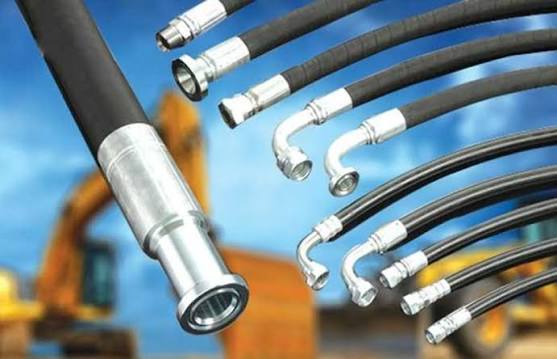
Why Does Material Quality Matter in Hose Fittings?
The material of a hose fitting determines how well it can handle the conditions in which it is used. Different applications require fittings to deal with different levels of pressure, temperature, corrosion, and mechanical stress.
For example, a fitting used in a hydraulic system may have to withstand high pressure for long periods. If the material is not suitable for the application, the fitting may become damaged or fail.
Therefore, material quality is one of the important factors that you have to consider before choosing a manufacturer.
Pressure Handling Capability
Hose fittings are commonly used in systems where fluid moves under pressure. The fitting must be strong enough to handle this pressure without cracking or deforming.
A high quality material provides the required strength for the fitting. It allows the component to remain stable even when the system operates under high pressure.
If a low quality material is used, the fitting may not handle the required pressure. This can result in leakage or fitting failure.
Therefore, check the pressure requirements of your application and choose a hose fittings manufacturer that uses materials suitable for those conditions.
Resistance to Corrosion
Corrosion is another major problem that can affect hose fittings. The fitting can come into contact with water, chemicals, hydraulic fluids, and other substances during operation.
Some materials can resist corrosion better than others. Stainless steel, for example, is commonly selected for applications where corrosion resistance is important.
If the fitting material starts to corrode, its surface can deteriorate over time. This can affect the connection and reduce the service life of the fitting.
Therefore, you have to choose a material according to the type of fluid and environment where the fitting will be used.
Temperature Resistance
Hose fittings can also be exposed to high or low temperatures depending on the application. The material must be capable of functioning properly within the required temperature range.
High temperatures can affect the strength and physical properties of certain materials. Similarly, very low temperatures can make some materials less suitable for particular applications.
Because of this, you must consider the operating temperature before selecting the fitting material.
A reliable hose fittings manufacturer should be able to provide information about the material and its suitable operating conditions.
Durability of the Fitting
The material quality also affects how long a hose fitting can remain in service. A fitting used in industrial equipment may experience continuous pressure, vibration, movement, and mechanical stress.
If the material is suitable for these conditions, the fitting can continue functioning properly for a longer period.
On the other hand, unsuitable material may wear out faster and require frequent replacement.
Therefore, choosing the right material can help reduce maintenance requirements and prevent unnecessary replacement costs.
Compatibility With the Application
Every hose fitting application is different. The type of hose, fluid, pressure, temperature, and operating environment can all affect the material you need.
For example, a fitting used with a particular chemical may require a material that can resist that chemical. A hydraulic application may require a material with sufficient strength to handle high pressure.
Therefore, you should discuss your application requirements with the manufacturer before choosing the fitting.
Manufacturing Quality
Material quality alone is not enough if the manufacturing process is poor. The material has to be processed and formed correctly to produce a fitting that can perform properly.
The dimensions, threads, connection points, and surface finish must meet the required specifications.
A hose fittings manufacturer with proper manufacturing practices can produce fittings with consistent quality. This can help prevent problems during installation and operation.
Therefore, you should consider both the material and the manufacturing process when selecting a manufacturer.
Conclusion
Material quality has a direct effect on the performance and service life of hose fittings. The right material can help the fitting handle pressure, resist corrosion, tolerate temperature changes, and function properly during continuous operation.
Therefore, you should pay close attention to the material used by a hose fittings manufacturer before purchasing the products.
Choosing a suitable material along with proper manufacturing quality can help prevent leakage, premature failure, and frequent replacement. For this reason, material quality should always be considered when selecting hose fittings for your application.

