In many offices, signing documents is a routine task. From approvals to financial papers, signatures are required at every level. However, manual signing can lead to variations. This is where signature stamps become useful. A signature stamp allows a person to replicate their signature in a consistent format. It helps maintain uniformity across documents while saving time.
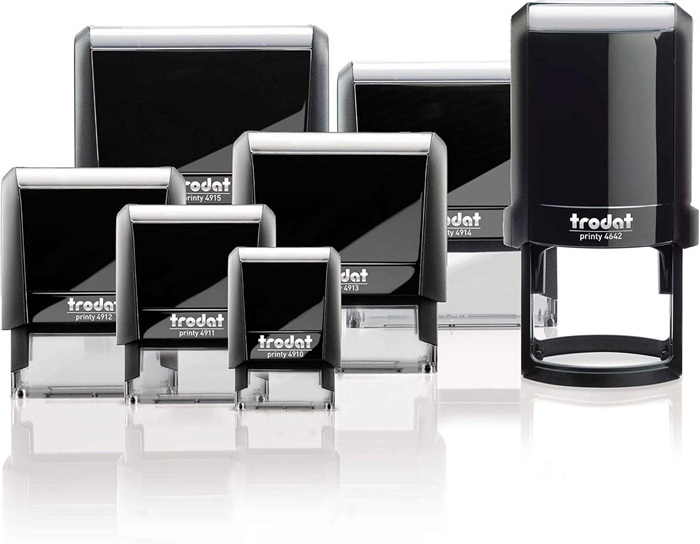
How Does Using Signature Stamps Improve Consistency in Official Documents?
Why Consistency Matters in Official Documents
Consistency is important in official documentation because it reflects reliability. When signatures vary, it may raise doubts about authenticity.
In many cases, documents are reviewed by multiple departments. A consistent signature makes it easier to verify approval. It also reduces confusion during audits or inspections.
For example, financial records, contracts, and internal approvals require clear validation. If the signature looks different each time, it may slow down the process.
Eliminating Variations in Signatures
Manual signatures can change due to several reasons. A person may sign quickly, use a different pen, or sign under pressure. Over time, the style may also change slightly.
A signature stamp removes these variations. Every impression looks the same. This helps maintain a standard across all documents.
This is especially helpful in large organizations where consistency is expected in every record.
Saving Time in Repetitive Tasks
In many offices, employees handle hundreds of documents daily. Signing each one manually can take a significant amount of time.
Using a signature stamp reduces this effort. A single press completes the task in seconds. This improves workflow and allows employees to focus on other work.
For managers and executives, this can make a noticeable difference in daily productivity.
Supporting Document Verification
Verification is an important step in official processes. When signatures are consistent, it becomes easier to confirm whether a document is authorized.
A signature stamp provides a uniform appearance. This helps teams quickly identify valid documents without second guessing.
It also reduces the chances of errors during document checks.
Use in Financial Documents
Signature stamps are often used in financial operations. This includes invoices, approvals, and internal records.
One common question is about legality. Many people ask whether a Signature Stamp Legal for Checks can be used. The answer depends on the bank and internal policies.
In most cases, banks allow signature stamps for checks if proper authorization is given. However, it is important to confirm with the specific institution before using it.
Using stamps in financial documents can help maintain consistency, especially when handling bulk transactions.
Conclusion
Using a signature stamp is a practical solution for improving consistency in official documents. It removes variations, saves time, and supports verification processes.
While manual signatures may still be required in certain situations, stamps provide a reliable option for routine tasks. With proper use and authorization, they can help maintain uniformity across all records.









 Business In Solutions