The vape industry in Europe follows strict product rules to protect users and maintain product quality. One of the most important rules is the Tobacco Products Directive, commonly called TPD. Any vape company that plans to sell products in European markets must follow these regulations carefully.
A TPD compliant vape manufacturer handles e liquid regulations by controlling product ingredients, bottle sizes, nicotine strength, packaging, testing, and product reporting. If any of these requirements are ignored, the products may not be allowed for sale.
Let us look at how manufacturers manage these regulations properly.
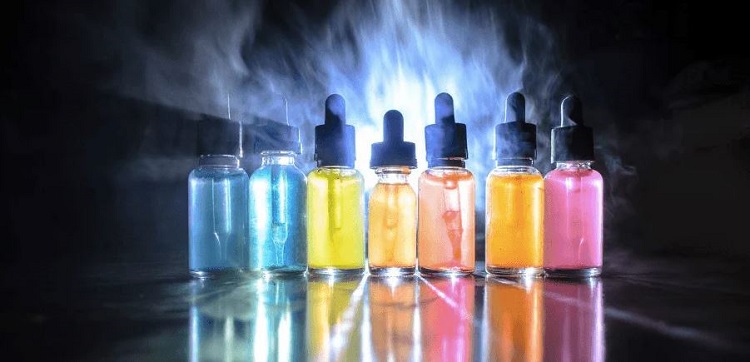
How Does a TPD Compliant Vape Manufacturer Handle E Liquid Regulations?
Controlling Nicotine Strength
One of the biggest TPD requirements is nicotine control.
Under TPD regulations, nicotine e liquids cannot contain more than 20 mg of nicotine per milliliter. Manufacturers test nicotine levels during production to confirm that the liquid remains within the allowed limit.
Most companies use laboratory equipment to measure nicotine concentration accurately. Samples are often checked several times during manufacturing.
If nicotine levels exceed the permitted amount, the batch may need to be discarded.
Managing Bottle Size Requirements
TPD rules also limit the size of nicotine e liquid bottles.
Manufacturers can only sell nicotine e liquids in bottles up to 10 ml. Larger bottles are not allowed if they contain nicotine.
To follow this rule, manufacturers adjust their production lines to fill bottles according to the approved size. Filling machines are calibrated carefully so the bottle volume remains accurate.
This process reduces the risk of packaging violations.
Testing E Liquid Ingredients
Ingredient testing is another important part of TPD compliance.
Manufacturers must know exactly what is present in the e liquid formula. This includes nicotine, flavorings, vegetable glycerin, and propylene glycol.
Many manufacturers work with laboratories to test for harmful substances such as heavy metals or contaminants. Testing also helps verify product consistency.
A TPD compliant company keeps records of these tests for future inspections.
Child Resistant Packaging
Safety packaging is required under TPD regulations.
E liquid bottles must include child resistant caps to reduce accidental exposure. The packaging should also protect the liquid from leakage during transportation and storage.
Manufacturers usually test packaging quality before products are shipped to distributors or retailers.
If the packaging fails safety checks, the products may not enter the market.
Product Labeling and Warnings
TPD regulations require clear product labels.
Manufacturers must print nicotine warnings on the packaging. The label should also contain ingredient information, usage instructions, batch numbers, and contact details.
This information helps consumers understand what they are using.
A TPD compliant manufacturer checks every label design carefully before printing begins. Even small labeling mistakes can create compliance problems.
Product Notification Process
Before products are sold in European countries, manufacturers must submit product details to regulatory authorities.
This process is called product notification.
The submitted information may include ingredient lists, toxicology reports, nicotine levels, and emissions data. Authorities review the information before approving market access.
Manufacturers often prepare these documents months before launch because the review process can take time.
Without notification approval, the products cannot be legally sold.
Production Quality Control
Quality control plays a major role in TPD compliance.
Manufacturers monitor mixing, filling, sealing, and packaging during production. Workers inspect products regularly to identify leaks, contamination, or filling errors.
Some companies also keep sample batches for additional testing after production is complete.
These checks help maintain product consistency across large manufacturing volumes.
Conclusion
A TPD compliant vape manufacturer handles e liquid regulations through testing, controlled production, proper packaging, and detailed reporting. Every stage of manufacturing is checked carefully to meet European safety standards.
From nicotine limits to packaging rules, each requirement plays a role in consumer safety. Manufacturers that follow these regulations properly can continue selling their products legally while maintaining product quality and reliability.

