Coastal environments present unique challenges for construction materials, especially with salt, humidity, and constant exposure. Builders often debate whether wood or aluminum offers better performance in such regions. The choice has long-term consequences for durability, maintenance, and safety. Aluminum carpentry has gained significant preference due to its remarkable advantages. Understanding why this material stands above wood helps explain its dominance today. Let us explore this transformation in coastal construction practices.
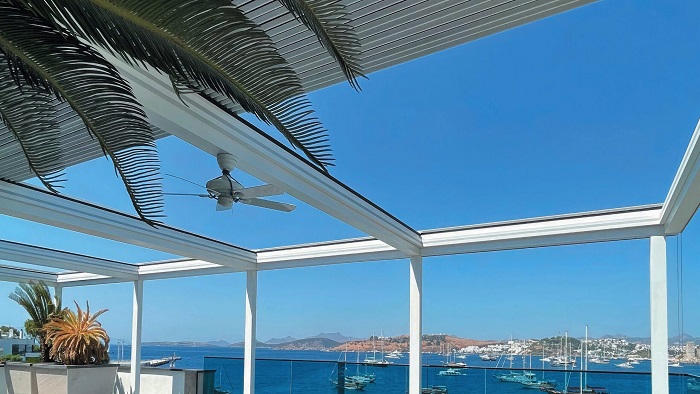
When the ocean fights back
Salt air attacks wood fibers and slowly reduces their natural protective capacity. Moisture enters easily, leading to cracks, swelling, and eventual structural weakness. Aluminum resists these aggressive elements with its natural corrosion-resistant composition. Unlike wood, it does not twist or warp under coastal exposure. This stability protects long-term investments in seaside homes and businesses. Builders trust aluminum because it survives the constant battle against ocean conditions.
Behind the cost of upkeep
Maintaining wood requires repainting, sealing, and replacing weakened sections over time. These recurring tasks become both expensive and frustrating for coastal homeowners. Aluminum simplifies maintenance with minimal cleaning and no need for chemical treatments. The low upkeep allows property owners to focus on daily living peacefully. This advantage becomes especially valuable for vacation properties or rental investments. For carpinteria aluminio Valencia, efficiency remains the most convincing argument for aluminum carpentry.
Energy battles within the walls
Coastal climates demand effective insulation to manage cooling costs and indoor comfort. Aluminum frames with thermal breaks provide significant improvements in energy performance. They regulate interior temperatures even during extreme heat along the coastline. Wood provides insulation but struggles once moisture distorts its natural balance. As a result, energy efficiency declines and costs rise for homeowners. Aluminum delivers consistent performance, making it an ally against energy waste.
A greener tale of tomorrow
Modern construction values sustainability as much as strength and longevity today. Aluminum excels here because it is fully recyclable without losing structural integrity. This makes it an environmentally conscious alternative compared to large-scale wood use. Deforestation concerns continue to place pressure on limiting wood in construction. Aluminum supports sustainable practices without compromising safety or architectural creativity. Builders see this shift as a critical step for future coastal communities.
Safety written into the design
Materials must protect lives as much as they shape coastal architectural beauty. Aluminum offers fire resistance and performs better under extreme storms compared to wood. Its non-combustible quality provides additional reassurance in high-risk coastal zones. At the same time, aluminum designs create sleek, modern, and customized structures. This marriage of safety and aesthetics redefines the vision of coastal architecture. Aluminum thus becomes both a guardian and a design tool for builders.
Conclusion
Aluminum has steadily replaced wood as the preferred choice in coastal construction. Its resistance to climate, reduced maintenance, energy efficiency, and sustainability make it unmatched. Builders and property owners benefit from safety, longevity, and modern design appeal. The shift marks a practical evolution in adapting construction methods to harsh environments. Coastal communities now rely on aluminum carpentry as a symbol of durability and progress.
 Business In Solutions