Choosing a 1 carat diamond can feel like a big decision, especially with so many technical terms like color and clarity to think about. These two factors are critical in deciding how a diamond looks and how much it costs. To help you understand what matters most and where you can find value, let’s break it down step-by-step and focus on what grades make the most sense for a 1 carat diamond.
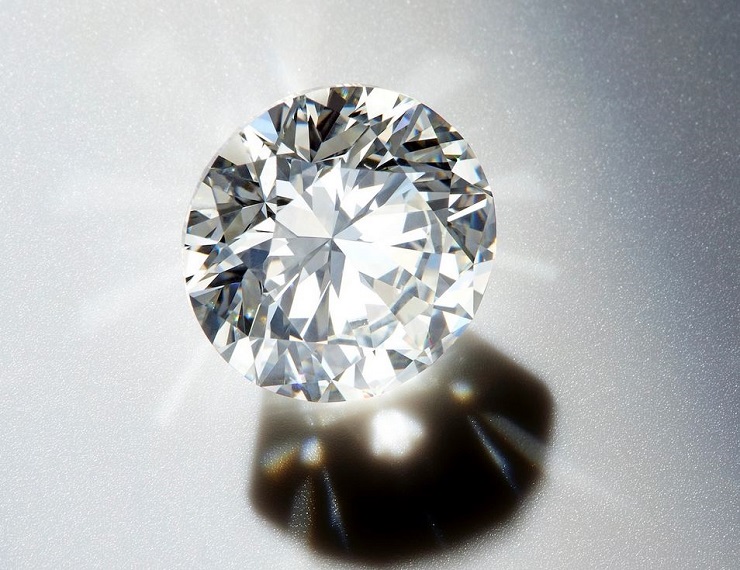
Understanding Diamond Color Grades
Diamond color is graded on a scale from D to Z. D is completely colorless, while Z has a visible yellow or brown tint. Most diamonds used in engagement rings and fine jewelry fall within the D to J range.
For a 1卡鑽石, the color is more visible than in smaller diamonds, but not so large that every faint tint is immediately noticeable. This makes certain color grades more practical and cost-effective.
- D-F (Colorless): These diamonds are icy white and have no detectable color. They are the highest in quality for color, but they also come at a premium price.
- G-H (Near Colorless): A smart option for those who want a diamond that appears white without paying the top price. G and H diamonds generally appear colorless once set in a ring.
- I-J (Faint Color): Some warmth may be visible, especially in white gold or platinum settings. However, in yellow or rose gold settings, this tint blends better, making it a budget-friendly choice that still looks great.
Best Color Grade for a 1 Carat Diamond
For most buyers, G or H color offers the best balance. The diamond looks white to the naked eye, and you’re not spending extra for something that might not be noticeable without magnification. If you’re setting the diamond in yellow or rose gold, you can even consider I color.
Unless you’re buying for someone with a strong preference for the highest grade, spending more on a D-F color grade doesn’t always add much visual value.
Clarity Grades Explained
Clarity refers to how clean the diamond is from internal and external flaws. These are called inclusions and blemishes. The clarity scale ranges from Flawless (FL) to Included (I1-I3).
- FL to IF (Flawless to Internally Flawless): These diamonds are free from inclusions even under 10x magnification. They are very rare and very expensive.
- VVS1 to VVS2 (Very Very Slight Inclusions): These have tiny inclusions that are extremely hard to detect. They are nearly perfect but still pricey.
- VS1 to VS2 (Very Slight Inclusions): A popular range where inclusions are minor and usually invisible to the naked eye. This grade is often the sweet spot.
- SI1 to SI2 (Slight Inclusions): These diamonds may have visible inclusions, but they’re often hidden by the setting or located at the edges.
Best Clarity Grade for a 1 Carat Diamond
The most sensible choice for clarity in a 1 carat diamond is usually VS2 or SI1. These diamonds offer a clean appearance without the high cost of flawless stones. If you’re working with a limited budget, a well-cut SI1 can look just as beautiful as a VS1 once it’s mounted in a ring.
It’s always good to look at actual images or videos of the diamond if you’re shopping online, as clarity can vary depending on the location and type of inclusion.
How Color and Clarity Affect 1 Carat Diamond Price
The 1 carat diamond price varies widely depending on the color and clarity grades. A D color, IF clarity diamond could cost double or more than a G color, VS2 clarity stone of the same carat weight.
Here’s a rough idea:
- D Color, IF Clarity: High price range
- G Color, VS2 Clarity: Mid to high range, often considered good value
- I Color, SI1 Clarity: Budget-friendly, especially in warm-tone settings
You don’t always have to choose the highest grade. Often, a well-cut diamond with slightly lower color and clarity grades can look just as good to the eye and cost significantly less.
Final Thoughts
The best color and clarity grades for a 1 carat diamond depend on your budget, preferences, and setting style. A G or H color with VS2 or SI1 clarity is often the best mix of quality and value. These diamonds appear clean and bright, especially once they’re placed in a ring.
While it’s tempting to aim for the highest grade, it’s more practical to focus on what actually looks good to you or the person who will wear it. Always compare different options, look at real images if possible, and choose the diamond that gives you both beauty and comfort in price.
 Business In Solutions