Many offices deal with large volumes of paperwork every day. Documents such as invoices, approval forms, purchase orders, contracts, and internal records often require signatures before they can move to the next stage. When employees or managers have to manually sign every document, it can slow down the entire workflow.
This is where office signature stamps become useful. They help businesses speed up document processing while maintaining consistency across different departments. By reducing the time spent on repetitive signing tasks, signature stamps can improve overall productivity.
How Do Office Signature Stamps Help Reduce Processing Delays?
A signature stamp allows an authorized signature to be applied quickly to documents. Instead of manually signing each paper, users can place a clear signature impression within seconds.
This helps reduce the amount of time spent on repetitive administrative work. Employees can process batches of documents much faster compared to signing them one by one.
For businesses that handle hundreds of forms daily, this time saving can make a noticeable difference in office operations.
Businesses frequently ask whether signature stamps can be used on official documents. The answer depends on the type of document, company policies, and applicable regulations.
For example, some people search for information about whether a Signature Stamp Legal for Checks is acceptable. The legality of using a signature stamp on checks can vary depending on banking requirements, account agreements, and local regulations.
Before using a signature stamp for financial transactions or legally sensitive documents, businesses should review their policies and consult the relevant institutions when necessary.
Reducing Backlogs During Busy Periods
Many organizations experience periods of increased workload. Tax seasons, financial audits, product launches, and end of month reporting can create a significant rise in paperwork.
During these periods, manual signing can become a major obstacle. Signature stamps help offices manage higher document volumes without slowing down operations.
Since documents can be approved more quickly, departments can continue working without unnecessary interruptions.
Improving Consistency Across Documents
Manual signatures may vary slightly from one document to another. This can sometimes create confusion when reviewing records.
Office signature stamps provide a consistent signature impression every time they are used. This makes documents easier to identify and verify.
Consistency is particularly helpful for organizations that maintain large archives of paperwork. It can simplify record keeping and document management processes.
Supporting Remote and Multi Location Operations
Many businesses operate from multiple locations or have employees working remotely. In such situations, obtaining physical signatures can take additional time.
Authorized signature stamps can help reduce delays in internal document processing. Certain administrative tasks can be completed faster, allowing departments to continue their work without waiting for repeated manual signatures.
However, organizations should always establish internal policies regarding who can use the stamp and under what circumstances it may be applied.
Reducing Administrative Workload
Administrative staff often spend a considerable amount of time managing documents that require signatures. This repetitive task can consume valuable working hours.
By using signature stamps, employees can focus on higher priority responsibilities such as customer service, reporting, scheduling, and communication.
Reducing routine paperwork tasks helps improve efficiency throughout the office.
Conclusion
Office signature stamps help reduce processing delays by speeding up approvals, reducing administrative workload, and improving document consistency. They are particularly useful for organizations that handle large amounts of paperwork on a regular basis.
While businesses should follow their internal policies and applicable regulations, signature stamps can be an effective tool for streamlining office operations. By reducing the time spent on repetitive signing tasks, offices can improve workflow efficiency and keep important documents moving without unnecessary delays.
Traffic is not revenue. Rankings are not customers. The gap between these two realities is where most SEO budgets quietly disappear, absorbed by campaigns that produce numbers which look healthy in monthly reports but cannot be traced to a single new client or invoice.
The businesses that extract lasting commercial value from SEO share one defining characteristic: they defined success in revenue terms before the first keyword was researched. Everything that follows from that decision — how the strategy is built, how performance is measured, how the agency is held accountable — produces a fundamentally different engagement from the one that starts with a traffic target and a ranking report.
What Vanity Metrics Are and Why They Are So Persistent
Vanity metrics are measurements that are easy to produce, satisfying to report, and have a plausible but ultimately unverified connection to business outcomes. In SEO, the most common examples are total keyword rankings, domain authority scores, raw organic session counts, and impression volumes in Google Search Console. Each of these numbers is real. None of them answers the question a business owner actually needs answered: is this generating revenue?
The persistence of vanity metrics in SEO reporting is not accidental. If you want to move away from this pattern and work with a team that measures what matters commercially, click here for SEO solutions built around revenue outcomes rather than ranking counts.
Why Agencies Default to Reporting Vanity Metrics
The structural incentive is straightforward. Keyword rankings are easy to track, move more frequently than revenue metrics, and almost always show some positive movement over the course of a campaign. Traffic numbers trend upward for any site with a consistent content programme. Domain authority scores from third-party tools improve with backlink acquisition regardless of whether those links produce commercial value.
These metrics allow agencies to demonstrate activity and forward momentum in every reporting period, which reduces client churn. The problem is that demonstrating activity and demonstrating commercial value are different things, and conflating the two serves the agency’s billing continuity without necessarily serving the client’s business objectives. A business receiving a report showing thirty new page-one rankings and a twenty percent traffic increase has no information about whether any of it is generating leads unless the report also contains conversion and revenue attribution data.
The Specific Metrics That Look Like Progress but Do Not Pay Bills
Impressions without click-through rates tell you how often a page appeared in search results but nothing about whether anyone visited it. Click-through rates without conversion rates tell you how many people arrived but nothing about whether they took any action connected to the business. Conversion rates without revenue attribution tell you something happened on the page but not whether it was commercially meaningful.
Each metric in isolation looks like a positive signal. The chain only becomes meaningful when it runs continuously from search query through to a measurable business outcome: a lead submitted, a call made, a purchase completed, a customer acquired. An SEO engagement that is not tracking the full chain is, at some point in that chain, optimising for a metric that does not connect to the business. That disconnection is where budgets are lost and where frustration with SEO as a channel typically originates.
The Search Intent Mismatch Problem
How High Traffic With No Conversions Happens
Search intent mismatch is the most common and least visible cause of high-traffic, low-conversion organic campaigns. It occurs when the keywords a site ranks for attract visitors whose purpose in searching is fundamentally different from what the business is positioned to offer. A user searching for information about how a product works is not the same visitor as one searching to buy that product. Both searches generate traffic. Only one of them generates revenue.
The pattern plays out in a consistent way across industries. A site optimises for high-volume informational keywords, traffic grows, and the monthly report looks positive. Conversion rates from organic traffic remain low or decline, which is attributed to landing page quality or pricing issues rather than to the underlying cause: the visitors arriving were never buyers in the first place. The SEO campaign is technically succeeding by its own metrics while failing commercially, and the misdiagnosis extends the problem rather than resolving it.
What Intent-Aligned SEO Looks Like Instead
Intent-aligned SEO begins by categorising target keywords not just by search volume and difficulty but by the commercial intent they represent. Informational queries, comparison queries, and transactional queries each attract visitors at different stages of a buying decision and require different content to serve them appropriately. A strategy that maps keyword targets to commercial intent ensures that the traffic generated has a realistic prospect of converting, rather than building an audience of visitors with no purchasing intention.
The practical consequence is that an intent-aligned strategy may target lower overall search volumes than a vanity-metric-focused campaign. A keyword with three hundred monthly searches from users actively seeking a quote generates more commercial value than a keyword with ten thousand monthly searches from users researching a general topic. The businesses that understand this distinction consistently report higher ROI from their SEO investment because their traffic, though sometimes smaller in volume, converts at rates that justify and compound the investment.
How ROI-Focused SEO Is Built Differently From the Start
Commercial Goal-Setting Before Keyword Research
The sequencing of an ROI-focused engagement reverses the typical agency approach. Rather than beginning with keyword research and building a strategy around search opportunity, a commercially-grounded engagement begins by establishing the revenue targets the business needs organic search to contribute to, the lead volumes required to reach those targets given known conversion rates through the sales process, and the average customer value that determines how much organic acquisition is worth per visit.
Those commercial parameters define the keyword strategy rather than following from it. If the business needs fifty qualified leads per month from organic search and currently converts two percent of organic visitors into leads, the strategy requires twenty-five hundred monthly organic visitors who match the commercial intent profile. That specific requirement narrows the keyword universe to terms where the intent aligns with the lead profile, produces a content strategy with a clear commercial purpose, and creates a measurable target against which the campaign’s effectiveness can be evaluated at every stage.
Attribution Infrastructure as a Non-Negotiable
ROI-focused SEO requires the ability to trace a visitor from the organic search term they entered through every interaction on the site to the commercial action they took and, ideally, into the revenue pipeline. Without this attribution infrastructure in place before the first content is published, the engagement cannot demonstrate commercial ROI regardless of how well the strategic and content work is executed.
Setting up attribution correctly involves configuring conversion tracking in Google Analytics 4 for every commercially meaningful action on the site, connecting organic traffic data from Google Search Console to conversion outcomes, and, for businesses with longer sales cycles, integrating CRM data to close the loop between organic lead generation and actual revenue closed. This is not a reporting enhancement added at the end of the engagement. It is the measurement foundation that determines whether the commercial value of the work can be seen and attributed at all. An agency that defers this setup is implicitly accepting that commercial ROI will be difficult or impossible to prove.
The Long-Term Compounding Advantage of ROI-Focused SEO
Why the Right Traffic Compounds, the Wrong Traffic Does Not
One of the structural advantages of intent-aligned, ROI-focused SEO is that the compounding effect operates on commercially valuable traffic rather than on aggregate traffic volume. A page that ranks for a high-commercial-intent keyword and earns backlinks as a result of its relevance and quality distributes that authority to related pages covering adjacent commercial intents. Over time, the site builds topical authority in the commercial territory its customers actually occupy, and each new piece of content published within that territory ranks faster and converts at higher rates because the surrounding content has already established the site as a credible destination for that intent.
A campaign built around high-volume informational traffic compounds differently. It builds topical authority in subject areas where the visitors are researchers rather than buyers. More informational content ranks faster and attracts more informational visitors. The traffic grows, the domain authority improves, and the commercial conversion rate remains disconnected from the volume because the strategy was never oriented toward the right intent in the first place. The compounding works, but it compounds in the wrong direction.
Organic Cost Per Acquisition Over Time vs. Paid
The financial case for ROI-focused SEO becomes clearest when the cost per acquisition from organic search is tracked over time against the cost per acquisition from paid channels. Paid traffic carries a cost with every click that does not decrease as the campaign matures. Each lead generated through paid search costs approximately the same in month eighteen as it did in month one, adjusted for bid competition.
Organic traffic, once rankings are established and the content library is built, generates leads at a declining cost per acquisition over time because the marginal cost of an additional organic visitor approaches zero. The investment required to maintain the position is significantly lower than the investment required to establish it. For businesses that track this metric honestly, organic search consistently becomes the lowest cost-per-acquisition channel in the mix within twelve to eighteen months of a well-executed campaign, and the gap continues to widen as the organic asset compounds while paid costs remain volume-dependent.
Questions About ROI-Focused SEO
Isn’t Traffic Still a Useful Metric to Track?
Traffic is a useful operational metric but a poor success metric. It tells you whether the top of the funnel is working — whether the site is attracting visitors from search. It does not tell you whether those visitors are the right visitors, whether they are taking any action when they arrive, or whether their presence is contributing to revenue. Tracking traffic alongside conversion rate from organic sessions, and both alongside revenue attribution, gives traffic its proper context as an input to commercial outcomes rather than an outcome in itself.
The specific traffic metric worth tracking carefully is non-branded organic traffic, which measures visitors arriving from searches that did not include the business name. This excludes people who were already going to find the business regardless of SEO performance, giving a cleaner picture of the campaign’s actual reach into new audiences. Branded traffic growth is a positive signal for brand awareness but should not be conflated with SEO performance when evaluating the return on organic search investment.
How Do I Know if My Current SEO Is ROI-Focused or Vanity-Focused?
Two diagnostic questions answer this reliably. First: can your current SEO reporting show you how many leads or sales were generated from organic traffic last month, attributed to specific pages and keywords? If the answer is no, the attribution infrastructure either does not exist or is not being used, and the reporting is operating at the vanity metric level regardless of how detailed it looks.
Second: were the keywords your current strategy targets chosen because they represent commercial intent your customers express before making a purchase decision, or because they have high search volume in your industry? If the keyword selection was driven primarily by volume rather than intent, the strategy is structured around attracting traffic rather than attracting buyers. Neither of these is a condemnation of the agency. Both are fixable. But they need to be identified and corrected before more budget is spent extending a strategy that is not commercially oriented.
What Does a Realistic ROI Figure Look Like for a Well-Run SEO Campaign?
The range is wide because it depends on the business’s average customer value, the conversion rate through the sales process, and the competitiveness of the target keywords. However, industry data consistently places organic search among the highest-ROI marketing channels available when measured over a twelve to twenty-four month horizon. Campaigns that establish strong positions on high-commercial-intent keywords and maintain them with consistent content and technical investment frequently return several multiples of the annual SEO spend in attributable revenue.
The caveat is the timeframe. SEO ROI in the first six months is typically low because rankings are still being established and the attribution chain is still accumulating data. The full return on the investment becomes visible in the second year and beyond, as the compounding effect on both traffic and conversion rates from an intent-aligned content library begins to produce consistent lead volumes at declining cost. Measuring SEO ROI against a three-month paid media benchmark is the single most common cause of premature campaign abandonment, and the single most reliable way to exit a channel before its commercial return has had time to materialise.
The Right Objective Changes Everything
The question is never whether SEO works. The evidence on that is settled. The question is whether your SEO is working toward the right objective. A campaign optimised for rankings and traffic will produce rankings and traffic. A campaign optimised for revenue will produce a strategy, a measurement framework, and an accountability structure that looks fundamentally different from month one onward.
The businesses that make this distinction before they engage an agency avoid the pattern of impressive-looking reports followed by a quiet admission that the numbers did not translate into growth. They build organic search into their revenue model as a channel with a measurable return, and they hold the engagement accountable to that return rather than to the volume of output delivered against it.
The vape industry in Europe follows strict product rules to protect users and maintain product quality. One of the most important rules is the Tobacco Products Directive, commonly called TPD. Any vape company that plans to sell products in European markets must follow these regulations carefully.
A TPD compliant vape manufacturer handles e liquid regulations by controlling product ingredients, bottle sizes, nicotine strength, packaging, testing, and product reporting. If any of these requirements are ignored, the products may not be allowed for sale.
Let us look at how manufacturers manage these regulations properly.
How Does a TPD Compliant Vape Manufacturer Handle E Liquid Regulations?
Controlling Nicotine Strength
One of the biggest TPD requirements is nicotine control.
Under TPD regulations, nicotine e liquids cannot contain more than 20 mg of nicotine per milliliter. Manufacturers test nicotine levels during production to confirm that the liquid remains within the allowed limit.
Most companies use laboratory equipment to measure nicotine concentration accurately. Samples are often checked several times during manufacturing.
If nicotine levels exceed the permitted amount, the batch may need to be discarded.
Managing Bottle Size Requirements
TPD rules also limit the size of nicotine e liquid bottles.
Manufacturers can only sell nicotine e liquids in bottles up to 10 ml. Larger bottles are not allowed if they contain nicotine.
To follow this rule, manufacturers adjust their production lines to fill bottles according to the approved size. Filling machines are calibrated carefully so the bottle volume remains accurate.
This process reduces the risk of packaging violations.
Testing E Liquid Ingredients
Ingredient testing is another important part of TPD compliance.
Manufacturers must know exactly what is present in the e liquid formula. This includes nicotine, flavorings, vegetable glycerin, and propylene glycol.
Many manufacturers work with laboratories to test for harmful substances such as heavy metals or contaminants. Testing also helps verify product consistency.
A TPD compliant company keeps records of these tests for future inspections.
Child Resistant Packaging
Safety packaging is required under TPD regulations.
E liquid bottles must include child resistant caps to reduce accidental exposure. The packaging should also protect the liquid from leakage during transportation and storage.
Manufacturers usually test packaging quality before products are shipped to distributors or retailers.
If the packaging fails safety checks, the products may not enter the market.
Product Labeling and Warnings
TPD regulations require clear product labels.
Manufacturers must print nicotine warnings on the packaging. The label should also contain ingredient information, usage instructions, batch numbers, and contact details.
This information helps consumers understand what they are using.
A TPD compliant manufacturer checks every label design carefully before printing begins. Even small labeling mistakes can create compliance problems.
Product Notification Process
Before products are sold in European countries, manufacturers must submit product details to regulatory authorities.
This process is called product notification.
The submitted information may include ingredient lists, toxicology reports, nicotine levels, and emissions data. Authorities review the information before approving market access.
Manufacturers often prepare these documents months before launch because the review process can take time.
Without notification approval, the products cannot be legally sold.
Production Quality Control
Quality control plays a major role in TPD compliance.
Manufacturers monitor mixing, filling, sealing, and packaging during production. Workers inspect products regularly to identify leaks, contamination, or filling errors.
Some companies also keep sample batches for additional testing after production is complete.
These checks help maintain product consistency across large manufacturing volumes.
Conclusion
A TPD compliant vape manufacturer handles e liquid regulations through testing, controlled production, proper packaging, and detailed reporting. Every stage of manufacturing is checked carefully to meet European safety standards.
From nicotine limits to packaging rules, each requirement plays a role in consumer safety. Manufacturers that follow these regulations properly can continue selling their products legally while maintaining product quality and reliability.
The popularity of fruit flavored disposable E cigarettes has increased rapidly in recent years. Many users now prefer fruit based flavors over traditional tobacco or menthol options. This change in preference has influenced the entire vaping industry and pushed manufacturers to release more flavor varieties than ever before.
Disposable E cigarettes are already known for their convenience and ease of use. When fruit flavors are added to the experience, the appeal becomes even stronger for many users. Because of this, fruit flavored products now dominate a large portion of the market.
Why are Fruit Flavored Disposable E Cigarettes Dominating the Market?
Better Taste Experience
One of the biggest reasons behind this trend is the taste experience. Traditional tobacco flavors may feel harsh or strong for some users. Fruit flavors provide a smoother and sweeter sensation during use.
Flavors such as mango, watermelon, strawberry, blueberry, and mixed berries are commonly chosen because they feel refreshing. Some users also prefer tropical fruit combinations because they create a lighter vaping experience.
This pleasant flavor profile encourages repeat usage and increases customer interest in disposable E cigarettes.
Large Variety of Flavor Options
Another reason for the growing demand is the wide range of available flavors. Manufacturers continuously release new fruit blends to attract more customers.
Users can choose from single fruit flavors or mixed combinations. For example, some products combine peach with ice flavors while others mix grape with citrus notes. This gives users more choices compared to traditional smoking products.
Because there are many options available, users can easily switch between flavors without becoming bored. This helps fruit flavored disposable E cigarettes maintain strong demand in the market.
Convenience of Disposable Devices
The success of fruit flavored products is also connected to the convenience of disposable E cigarettes themselves.
Disposable devices do not require refilling, charging in some cases, or coil replacement. Users can simply open the package and start using the device immediately.
For beginners, this process feels easier compared to advanced vaping devices. Since fruit flavors already create a comfortable experience, the simple nature of disposable devices makes them even more attractive.
This combination of flavor and convenience plays a major role in market growth.
Attractive Product Design
Modern disposable E cigarettes are often designed with bright colors and compact shapes. Many brands use packaging that matches the fruit flavor inside the device.
For example, mango flavored devices may use yellow color themes while blueberry products may feature blue packaging. These designs quickly grab customer attention in retail stores and online marketplaces.
Smaller device sizes also make them easier to carry in pockets or bags. This portability increases daily usage among consumers.
Social Media Influence
Social media has also contributed heavily to the popularity of fruit flavored disposable E cigarettes.
Many influencers and online reviewers discuss new flavors and compare different brands. Short videos showing flavor reactions or product reviews often gain large numbers of views.
Because of this exposure, users become interested in trying newly released flavors. Younger adult consumers especially tend to follow vaping trends that appear frequently on social media platforms.
This online promotion has helped fruit flavored products spread quickly across different markets.
Reduced Tobacco Smell
Another reason many users choose fruit flavored disposable E cigarettes is the reduced smell compared to traditional cigarettes.
Traditional smoking often leaves a strong odor on clothes, furniture, and indoor spaces. Fruit flavored vapor usually produces a lighter scent that disappears more quickly.
This makes the experience more acceptable in social settings for some users. The softer smell also contributes to the growing popularity of fruit based flavors.
Conclusion
Fruit flavored disposable E cigarettes dominate the market because they combine pleasant taste, convenience, portability, and wide flavor variety. Social media exposure and attractive product designs have also increased their popularity.
The demand for fruit based flavors continues to grow as more users look for smoother and more enjoyable vaping experiences. While market trends may change over time, fruit flavored disposable E cigarettes currently remain one of the strongest segments in the vaping industry.
Managing multiple documents every day can become time consuming for businesses, medical offices, banks, and legal departments. Signing each paper manually may look simple at first. But when the number of documents increases, the process becomes slow and exhausting. This is where signature stamps become useful.
A signature stamp helps complete document processing tasks faster without affecting workflow. It reduces repetitive work and helps staff handle paperwork with less effort. From invoices to approval forms, these stamps can improve daily operations in many ways.
How Do Signature Stamps Simplify Multi Document Processing Tasks?
Faster Document Approval
One of the biggest advantages of using a signature stamp is speed. In offices where managers must approve many documents every day, manually signing each page can take a long time.
A signature stamp allows the user to place the same signature within seconds. This makes the approval process quicker and helps teams move documents without delay.
For example, accounting departments usually process invoices, payment forms, and internal requests daily. Instead of signing every page one by one, the authorized person can use a signature stamp and finish the task much faster.
Reduces Repetitive Work
Signing hundreds of papers manually can become tiring. Over time, it may also lead to inconsistent signatures because hand movements change during repeated signing.
Using a signature stamp removes this repetitive effort. The stamp creates a clear and consistent signature every time. Employees can focus on more important tasks instead of spending hours handling routine paperwork.
This is especially helpful in hospitals, schools, warehouses, and administrative offices where document volume remains high throughout the day.
Helps Maintain Consistency
Many organizations prefer documents to look professional and organized. Handwritten signatures can sometimes appear different from one document to another.
A signature stamp provides the same appearance on every page. This consistency helps maintain a professional presentation in business records.
It also becomes easier to identify authorized approvals because the signature remains clear and readable.
Useful for Multi Department Workflows
Large businesses often move documents across several departments before completion. Purchase requests, employee forms, contracts, and internal approvals usually pass through many desks.
A signature stamp simplifies this process because supervisors can quickly approve files without creating bottlenecks. Staff members do not have to wait long periods for manual signatures.
As a result, departments can complete their tasks faster and improve overall productivity.
Supports Bulk Paperwork Processing
Certain industries regularly process documents in bulk. Insurance companies, financial institutions, and logistics businesses are common examples.
During high workload periods, manually signing documents can slow down operations. Signature stamps help complete bulk paperwork within shorter time frames.
This becomes useful during tax seasons, financial audits, inventory checks, and customer onboarding processes where document numbers increase significantly.
Reduces Physical Strain
Continuous manual signing may cause discomfort in the wrist and fingers for some individuals. This can become a problem for professionals who sign documents throughout the day.
A signature stamp reduces the need for repeated hand movement. The process becomes simpler and less physically demanding.
This small change can improve comfort during long working hours.
Helps with Check Processing
Many businesses still use checks for payments and vendor transactions. Signing checks manually can take considerable time when handling large payment batches.
This is one reason many companies use signature stamps for financial operations. However, businesses must understand local banking rules before using them.
Some people often ask whether a Signature Stamp Legal For Checks process is accepted everywhere. The answer depends on bank policies and regional regulations. Certain banks allow it for business accounts, while others may require additional authorization.
Because of this, it is important to confirm the rules with the bank before using a signature stamp for checks.
Improves Daily Office Efficiency
Small improvements in office work can create major time savings over long periods. Signature stamps are a simple tool, but they can reduce delays in document handling.
Employees can process forms faster, managers can approve files quickly, and businesses can maintain smoother workflows.
The time saved each day may seem small initially. But over weeks and months, it can significantly improve office efficiency.
Conclusion
Multi document processing can become difficult when paperwork increases daily. Manual signing slows operations and adds repetitive work to the schedule.
Signature stamps help simplify this process by improving speed, consistency, and workflow management. They are useful for businesses that regularly handle approvals, invoices, forms, and financial documents.
With proper use, a signature stamp can help organizations save time and manage paperwork more efficiently.
Workplace culture plays a major role in how employees perform their daily tasks. It influences how people communicate, how they handle responsibilities, and how they respond to challenges. A positive culture can improve productivity, while a poor one can slow down even simple tasks.
In most offices, culture is not defined by policies alone. It is reflected in everyday actions, team behavior, and management style. Understanding its impact can help improve overall work performance.
How Does Workplace Culture Impact Daily Office Work Performance?
Communication and Task Clarity
One of the main ways workplace culture affects performance is through communication. In an office where communication is clear, employees understand their tasks without confusion. Instructions are simple, and expectations are defined early.
On the other hand, poor communication leads to delays and mistakes. Employees may spend more time asking for clarification than completing the work. This directly affects daily output.
For example, something as simple as approving documents using a Signature Stamp can become inefficient if communication is unclear. If employees do not know when or where to use it, tasks may be repeated or delayed.
Work Environment and Focus
The work environment created by the culture also affects how well employees can focus. A calm and respectful environment helps employees complete tasks without unnecessary distractions.
If the culture is stressful or disorganized, employees may find it difficult to concentrate. Noise, interruptions, or lack of structure can reduce productivity over time.
A structured environment supports consistency. Employees know what to expect each day, which helps them plan their work better.
Management Style and Accountability
Management plays a key role in shaping workplace culture. The way managers assign tasks and monitor progress has a direct impact on performance.
In a supportive environment, managers provide clear instructions and follow up when needed. Employees feel responsible for their work and are more likely to complete tasks on time.
In contrast, a lack of accountability can lead to delays. If employees are not monitored or guided, tasks may remain incomplete or be done incorrectly.
Daily processes such as document approvals, file handling, or the use of tools like a Signature Stamp depend heavily on how well responsibilities are assigned and tracked.
Team Collaboration and Efficiency
Workplace culture also influences how teams work together. In a collaborative environment, employees share information and support each other. This reduces errors and speeds up task completion.
If the culture does not support teamwork, employees may work in isolation. This can lead to duplicated efforts or missed steps in a process.
For instance, if multiple team members handle documents but do not communicate, important approvals may be missed. This slows down the workflow and affects daily performance.
Employee Motivation and Consistency
Motivation is another important factor. A positive workplace culture encourages employees to stay engaged with their work. When employees feel valued, they are more likely to maintain consistent performance.
Low motivation often results in incomplete tasks or reduced effort. Over time, this can affect the overall productivity of the office.
Consistency in daily work is important for maintaining quality. Culture plays a key role in building this consistency.
Handling Problems and Delays
Every workplace faces issues from time to time. The way these problems are handled depends on the culture of the office.
In a well managed environment, problems are addressed quickly. Employees are encouraged to report issues and find solutions.
In a poor work culture, problems may be ignored or delayed. This can cause small issues to grow into larger ones, affecting multiple tasks.
Even routine activities like verifying documents or applying a Signature Stamp can be delayed if problems are not handled properly.
Conclusion
Workplace culture has a direct impact on daily office work performance. It affects communication, focus, teamwork, and accountability. Small daily tasks are influenced by how the workplace operates as a whole.
By improving communication, creating a structured environment, and maintaining clear responsibilities, organizations can improve performance. A stable and supportive culture helps employees complete their work efficiently and reduces unnecessary delays.
Heavy office workloads can affect both your physical and mental health. Long hours, constant deadlines, and repetitive tasks can slowly lead to stress and burnout. If not managed early, it can reduce productivity and impact your overall well being.
The good part is that there are practical ways to reduce stress and stay in control of your work routine. By making small changes, you can handle your workload more effectively.
How Can You Reduce Stress and Burnout from Heavy Office Workloads?
Identify the Source of Stress
Before fixing the problem, you need to understand what is causing it. Stress at work does not come from a single factor. It can be due to tight deadlines, lack of support, or too many repetitive tasks.
Take a moment to observe your daily routine. Check which tasks consume most of your time and energy. Once you identify the cause, it becomes easier to manage it.
Break Down Your Work into Smaller Tasks
Handling large tasks at once can feel overwhelming. Instead of trying to complete everything together, divide your work into smaller parts.
For example, if you have a report to complete, break it into steps like research, drafting, editing, and final review. This makes the work more manageable and reduces pressure.
Completing small tasks also gives a sense of progress, which helps reduce stress.
Set Clear Priorities
Not all tasks require immediate attention. Some tasks are more important than others.
Start your day by listing your tasks and arranging them based on priority. Focus on high priority tasks first and avoid spending too much time on less important work.
This method helps you stay organized and prevents last minute pressure.
Take Short Breaks During Work
Working continuously for long hours can increase fatigue. Your mind needs short breaks to stay active.
Take a five to ten minute break after every hour of work. Use this time to stretch, walk, or simply relax your eyes.
These small breaks improve concentration and reduce mental strain.
Avoid Repetitive Manual Work
Repetitive tasks can quickly lead to burnout. If your job involves handling documents or approvals, try to simplify the process.
For example, using tools like a Signature Stamp Legal for Checks can save time when dealing with frequent paperwork. It reduces the need for repeated manual signing and speeds up routine tasks.
Saving time on small tasks can make a big difference in your daily workload.
Maintain a Healthy Work Routine
Your daily habits play an important role in managing stress. Lack of sleep, poor diet, and no physical activity can make stress worse.
Try to maintain a fixed sleep schedule and include light exercise in your routine. Even a short walk can help refresh your mind.
Eating balanced meals also helps maintain your energy levels throughout the day.
Learn to Say No When Needed
Taking on too many tasks can increase pressure. It is important to understand your limits.
If your workload is already high, avoid accepting additional tasks without proper planning. Communicate clearly with your team or manager about your capacity.
This helps prevent unnecessary stress and keeps your workload balanced.
Keep Your Workspace Organized
A cluttered workspace can make your work feel more stressful. Keeping your desk clean and organized can improve focus.
Arrange your files, tools, and documents in a way that they are easy to access. This reduces the time spent searching for things and keeps your workflow smooth.
Stay Connected with Your Team
Working alone on heavy tasks can feel overwhelming. Staying connected with your team can help reduce stress.
Discuss challenges, ask for help when needed, and share your workload if possible. Team support can make difficult tasks easier to handle.
Conclusion
Stress from heavy office workloads is common, but it can be managed with the right approach. By organizing your tasks, taking breaks, and simplifying repetitive work, you can reduce pressure and improve productivity.
Small changes in your routine can have a strong impact over time. Focus on maintaining balance and managing your workload step by step.
Many businesses hire SEO agencies expecting growth in rankings, traffic, and leads. However, the results often fall short. This is not always due to a lack of effort. It is usually because the agency is operating as a vendor rather than a growth partner.
If you are looking for professional SEO experts in Chennai, understanding this difference is important. It directly impacts how your SEO strategy is planned, executed, and improved over time.
Let us examine what separates a vendor from a true growth partner.
What Separates an SEO Vendor From a True Growth Partner?
Focus on Tasks vs Focus on Outcomes
An SEO vendor typically focuses on completing predefined tasks. These may include publishing a set number of blog posts, building backlinks, and sending monthly reports.
While these activities are part of SEO, they do not guarantee results.
A growth partner, on the other hand, focuses on outcomes. The goal is to improve search visibility, attract relevant traffic, and support business growth.
This shift in focus changes how the entire strategy is executed.
Generic Approach vs Business-Specific Strategy
Vendors often apply the same approach to all clients. They follow a fixed process without adapting it to the business.
This leads to generic strategies that fail to address specific challenges.
A growth partner builds a strategy based on:
Business goals
Target audience
Market competition
Existing website performance
This creates a more relevant and effective SEO plan.
In practice, teams that follow structured and business-focused methods, similar to the approach seen in IdeasToReach India Private Limited, align their SEO strategy closely with client objectives rather than applying a one-size-fits-all model.
Limited Involvement vs Active Collaboration
An SEO vendor usually works independently with minimal interaction. Communication is often limited to reports and occasional updates.
This creates a gap between the business and the execution.
A growth partner works closely with the business. They involve stakeholders in planning, share insights, and adjust strategies based on feedback.
This collaboration improves alignment and leads to better outcomes.
Reporting Activity vs Explaining Performance
Vendors often provide reports that list completed tasks. These reports may include the number of backlinks created or articles published.
However, they do not always explain how these activities impact performance.
A growth partner focuses on meaningful reporting. They explain:
What changes have been made
How those changes affect rankings and traffic
What needs to be improved
This helps businesses understand the value of the work being done.
Short-Term Execution vs Long-Term Planning
Vendors often focus on short-term deliverables. Their goal is to complete monthly tasks without considering long-term impact.
This approach leads to inconsistent growth.
A growth partner focuses on long-term planning. They build structured content systems, improve website authority, and continuously refine the strategy.
This creates sustainable growth over time.
Basic SEO vs Advanced Execution
Many vendors still rely on basic SEO practices such as keyword placement and simple link building.
These methods are no longer sufficient in competitive markets.
Growth partners use advanced SEO solutions. They focus on:
Topic-based content planning
Search intent alignment
Data-driven decision making
Continuous optimization
This approach allows them to adapt to changes in search behavior.
Reactive Approach vs Proactive Strategy
Vendors often react to issues after they occur. For example, they may respond to a drop in rankings only after it happens.
A growth partner takes a proactive approach. They monitor performance continuously and make adjustments before problems arise.
This helps maintain stability and reduce risks.
Use of Data and Insights
Data is a key differentiator.
Vendors may collect data but not use it effectively. Decisions are often based on assumptions.
Growth partners rely on data for every step of the process. They analyze performance metrics, identify trends, and refine strategies accordingly.
This leads to more informed decision-making.
Conclusion
The difference between an SEO vendor and a true growth partner lies in how they approach strategy, execution, and collaboration.
If you are looking for professional SEO experts in Chennai, focus on agencies that prioritize outcomes, build business-specific strategies, and maintain clear communication.
A growth partner goes beyond completing tasks. They work with you to build a structured and sustainable SEO system. This approach leads to better rankings, stronger visibility, and long-term business growth.
In many offices, signing documents is a routine task. From approvals to financial papers, signatures are required at every level. However, manual signing can lead to variations. This is where signature stamps become useful. A signature stamp allows a person to replicate their signature in a consistent format. It helps maintain uniformity across documents while saving time.
How Does Using Signature Stamps Improve Consistency in Official Documents?
Why Consistency Matters in Official Documents
Consistency is important in official documentation because it reflects reliability. When signatures vary, it may raise doubts about authenticity.
In many cases, documents are reviewed by multiple departments. A consistent signature makes it easier to verify approval. It also reduces confusion during audits or inspections.
For example, financial records, contracts, and internal approvals require clear validation. If the signature looks different each time, it may slow down the process.
Eliminating Variations in Signatures
Manual signatures can change due to several reasons. A person may sign quickly, use a different pen, or sign under pressure. Over time, the style may also change slightly.
A signature stamp removes these variations. Every impression looks the same. This helps maintain a standard across all documents.
This is especially helpful in large organizations where consistency is expected in every record.
Saving Time in Repetitive Tasks
In many offices, employees handle hundreds of documents daily. Signing each one manually can take a significant amount of time.
Using a signature stamp reduces this effort. A single press completes the task in seconds. This improves workflow and allows employees to focus on other work.
For managers and executives, this can make a noticeable difference in daily productivity.
Supporting Document Verification
Verification is an important step in official processes. When signatures are consistent, it becomes easier to confirm whether a document is authorized.
A signature stamp provides a uniform appearance. This helps teams quickly identify valid documents without second guessing.
It also reduces the chances of errors during document checks.
Use in Financial Documents
Signature stamps are often used in financial operations. This includes invoices, approvals, and internal records.
One common question is about legality. Many people ask whether a Signature Stamp Legal for Checks can be used. The answer depends on the bank and internal policies.
In most cases, banks allow signature stamps for checks if proper authorization is given. However, it is important to confirm with the specific institution before using it.
Using stamps in financial documents can help maintain consistency, especially when handling bulk transactions.
Conclusion
Using a signature stamp is a practical solution for improving consistency in official documents. It removes variations, saves time, and supports verification processes.
While manual signatures may still be required in certain situations, stamps provide a reliable option for routine tasks. With proper use and authorization, they can help maintain uniformity across all records.
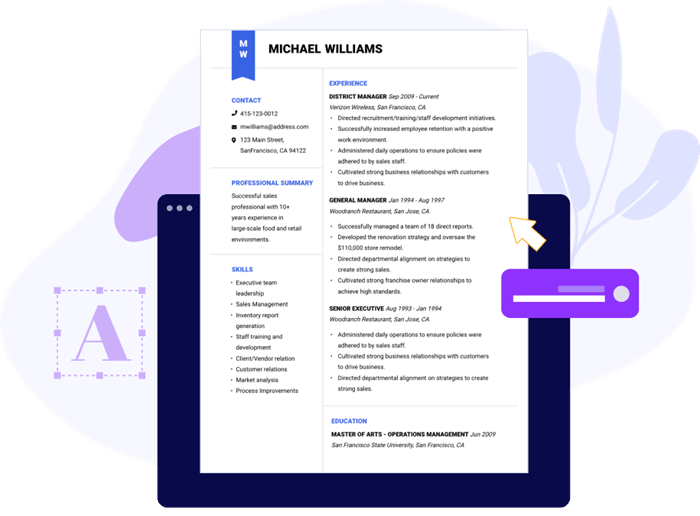
Creating a resume that matches a job role is important if you want to increase your chances of getting shortlisted. Many applicants send the same resume for every position and wonder why they do not receive responses. A resume builder platform helps you modify your resume quickly based on the job you are applying for. If you use the features correctly, you can adjust your resume content, structure, and focus without starting from scratch each time. Below, we will discuss how you can customize your resume using a resume builder platform and what steps you should follow.
How Do You Customize Your Resume Using a Resume Builder Platform?
Choose the Right Template
Most resume builder platforms provide multiple templates. These templates vary in layout, font style, and section arrangement. Start by selecting a template that matches your industry. For example, creative roles may allow modern layouts, while technical or corporate roles may require a simple and clean format.
If you are using a cv maker, preview different templates before finalizing one. Choose a layout that keeps your content readable and organized. Avoid designs that make the resume look crowded.
Update the Job Title and Summary
The job title and professional summary are usually placed at the top of the resume. These sections must reflect the role you are applying for. If you are applying for a Software Developer position, mention that clearly in the title. Do not keep a generic heading such as Resume or Curriculum Vitae.
In the summary section, include skills and experience that match the job description. Many resume builder platforms allow you to edit this section easily. Adjust the wording so it aligns with the employer requirements.
Modify Skills Based on the Job Description
One common mistake applicants make is listing all their skills without relevance. A resume builder allows you to add, remove, or rearrange skills quickly. Read the job description carefully. Identify the required skills and add them to your resume if they apply to you. Place the most relevant skills at the top of the list.
If the platform includes skill rating options, use them carefully. Avoid exaggerating your proficiency. Keep the information accurate and consistent.
Adjust Work Experience Points
Your work experience section must match the position you are applying for. Instead of copying the same bullet points for every application, customize them. A resume builder makes this process simple. You can edit existing points or duplicate a role and modify the responsibilities.
Highlight achievements and tasks that are related to the job. For example, if the role requires team leadership, mention instances where you led a project. If the job focuses on technical expertise, describe your technical contributions clearly. Keep the sentences short and direct. Focus on measurable outcomes where possible.
Add or Remove Sections as Needed
Some jobs require additional sections such as certifications, projects, publications, or volunteer work. Others may not need them. A good cv maker allows you to add new sections or remove unnecessary ones. Use this feature based on the job requirements.
For example, if you are applying for an entry level role, you may include academic projects. If you have several years of experience, you can reduce the academic details and give more space to professional achievements.
Conclusion
Customizing your resume using a resume builder platform is a practical way to improve your job applications. Instead of rewriting the entire document each time, you can modify sections based on the job role. By selecting the right template, adjusting your summary, updating skills, refining work experience, and inserting relevant keywords, you can create a focused resume for each position. A cv maker simplifies this process and saves time. If you use its features properly, you can present your qualifications clearly and increase your chances of getting shortlisted.