Migraines can disrupt your day heavily and finding a suitable method for Migraine Relief becomes important. Two popular options people try are acupuncture and reflexology. Both may ease symptoms, but they work in different ways. Here we will look at each method and find out how they differ in helping with migraine related problems.
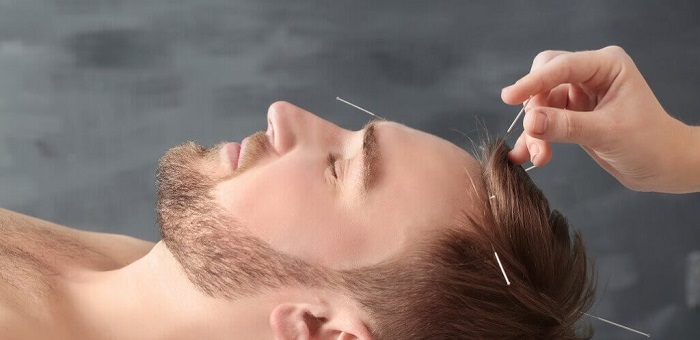
Acupuncture for Migraines
Acupuncture is a traditional Chinese practice that uses fine needles to stimulate specific points on the body. These points trigger responses in the nervous system and may help reduce pain signals.
When you get acupuncture for a migraine, the practitioner places needles on points related to the head, neck, shoulders, and other parts connected with pain pathways. The goal is to promote better blood circulation and relax the muscles that may contribute to migraine triggers.
Several people who use acupuncture report a decrease in the severity of pain. Some also find fewer migraine episodes after continuing sessions for a period of time. Since the method works on nerve responses and muscle relaxation, it can be useful for people whose migraines start due to tension or stress.
Reflexology for Migraines
Reflexology works differently. Instead of placing needles, this method uses pressure on specific points of the feet, hands, or ears. These points are believed to correspond with different organs and body systems.
For migraine problems, the reflexologist applies pressure to points linked with the head and neck. The aim is to improve relaxation and promote better function in areas connected with migraine triggers.
Reflexology may also be helpful for people whose migraines are linked with stress or poor sleep patterns. Since the method focuses on calming the body, some individuals experience relief through improved relaxation.
Key Differences Between Acupuncture and Reflexology
Although both methods may help with Migraine Relief, they do so through different mechanisms.
Mode of Application
Acupuncture uses needles on precise points on the body. Reflexology uses finger pressure on points on the feet, hands, or ears.
Target Areas
Acupuncture works directly on nerves and muscles. Reflexology works on pressure points believed to reflect internal systems.
Technique Intensity
Acupuncture may feel slightly sharp depending on the needle point. Reflexology uses firm yet comfortable pressure without breaking the skin.
Training and Setup
Acupuncture requires a practitioner with medical style training in the procedure. Reflexology usually needs less clinical equipment and focuses on massage based techniques.
Which One Works Better for Migraine Relief?
It depends on the reason for your migraines. If your symptoms start due to muscle tension, neck stiffness, or nerve related triggers, acupuncture might help more. Since it works on deeper layers of the body, many people with tension related headaches find it useful.
If your migraines start due to stress, sleep issues, or overall body imbalance, reflexology might be more suitable. The calming effect of pressure point therapy may lower stress and help reduce migraine frequency.
Trying one or both methods over time can help you figure out which one works better for your situation. Sometimes people combine both to support relaxation and pain reduction.
Final Thoughts
Acupuncture and reflexology both offer possible options for Migraine Relief, but they operate differently. Acupuncture focuses on stimulating nerves and muscles, while reflexology concentrates on pressure points linked with body functions. By understanding how each method works, you can choose the one that fits your migraine triggers and symptoms.
 Business In Solutions