Diamonds are known for their sparkle, but not all diamonds shine the same way. The way a diamond is cut plays a major role in how bright and lively it looks. Without any tools or grading reports, you can still make a close judgment by using some simple observation techniques.
This article will help you find clear signs that show whether a diamond has been cut well or not.
Watch the Sparkle
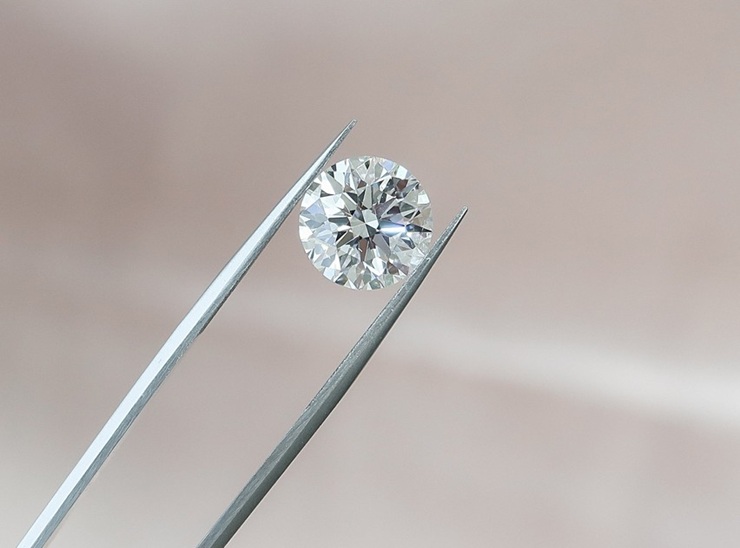
Hold the diamond under direct light and turn it slowly. A well-cut diamond will give off a mix of bright white flashes and some color. The sparkle should be even and visible from different angles. If the stone looks flat, dull, or only reflects light in one part, it may not be cut well.
Diamonds that reflect light properly will stand out without needing a close-up view.
Look Straight Down
Hold the diamond so that you’re looking at the top. The shapes and angles inside the stone should look even on all sides. The large flat surface at the top, called the table, should appear centered. The outline of the stone should also look balanced.
Diamonds Princess cut collections should appear clean, with even lines and edges. If the shape looks off or the sides are uneven, the cut might not be precise.
Use a Plain Background
Place the diamond on white paper or a solid-colored surface. This helps you see how light passes through it. A good cut will allow light to return through the top of the diamond in a bright and even way. If the middle of the diamond looks dark or shadowed, it may be too deep or too shallow.
The goal is to see how evenly the light reflects without having to take it to a lab.
Side-by-Side Check
If possible, compare two or more diamonds under the same lighting. Place them next to each other and tilt them slowly. One of them will usually look brighter or more alive than the others. That is most likely the better cut.
This kind of check gives you a fast way to judge quality without guessing. It works even better if the diamonds are the same shape and size.
Conclusion
It is possible to find a diamond with a fine cut by simply using your eyes and paying close attention to light, shape, and balance. You don’t need advanced tools to notice which stone stands out. Even when browsing pieces, these basic checks can help you make a better choice. By using these simple steps, you can spot a diamond that reflects light beautifully and adds visual appeal without guessing or relying on reports.
 Business In Solutions